What's Inside?
- Daniel Craig brings raw emotion and physical intensity, closing his Bond era with vulnerability, resolve and a sense of earned finality.
- Cary Joji Fukunaga balances stylish action with character driven moments, delivering memorable set pieces without drowning the story in excess.
- The film reframes James Bond as a man shaped by love, loss and consequence, giving the franchise rare emotional weight.
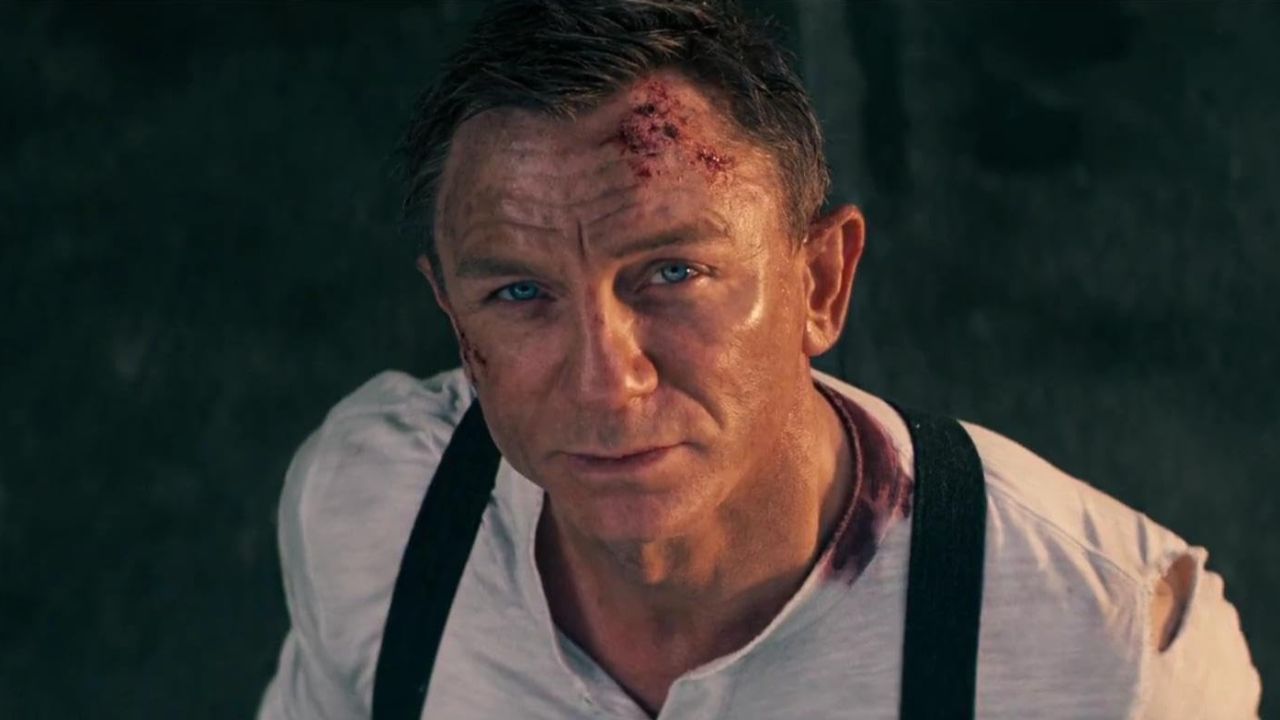
Daniel Craig’s final bow as James Bond arrives with weight, history, and a surprising amount of heart. No Time to Die, now streaming on Netflix, is not just another globe-hopping spy thriller. It is a closing chapter shaped by delays, creative resets, and a world that changed while the film waited to be seen. After seven years away from the role, Craig returns to 007 with visible intent. This is a Bond who carries scars, memories, and emotional cost. The film aims high, stumbles at times, but never forgets that it is saying goodbye to an era that reshaped the franchise for the modern age.
No Time to Die Marks the End of Daniel Craig’s Bond Era
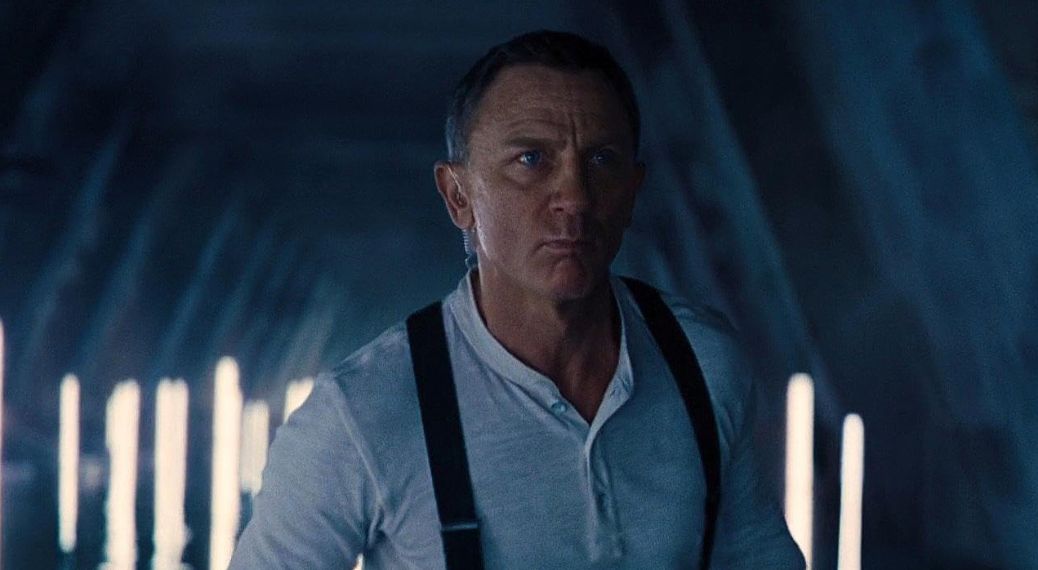
The road to No Time to Die was as dramatic as its story. Danny Boyle’s early exit over creative differences forced the producers to pivot. Cary Joji Fukunaga stepped in and brought steadier vision and restraint. Phoebe Waller-Bridge’s script contributions added wit and emotional texture without turning Bond into a parody of himself. Then came repeated pandemic delays, stretching the gap since Spectre to seven long years and raising expectations to a near-impossible level.
The film opens on a haunting flashback in rural France. A masked intruder kills a woman but spares her young daughter. That child is Madeleine, whose past and present remain deeply tied to Bond. From there, the story moves to Italy, where Bond visits Vesper Lynd’s grave and narrowly survives a bomb attack. This moment pulls him back into danger and eventually pushes him away from Madeleine. After the title sequence, the story jumps ahead five years. Bond is retired, restless and still pointing guns at shadows, because old habits do not fade easily.
Craig plays this version of Bond with a mix of steel and weariness. The bravado remains, but it cracks often. His performance feels intentional, as if he knows every glance and pause matters. He allows Bond to feel loss without spelling it out. That choice gives the character depth rarely seen in earlier eras and brings a sense of finality that lingers throughout the film.
No Time to Die Blends Spectacle with Emotional Payoff
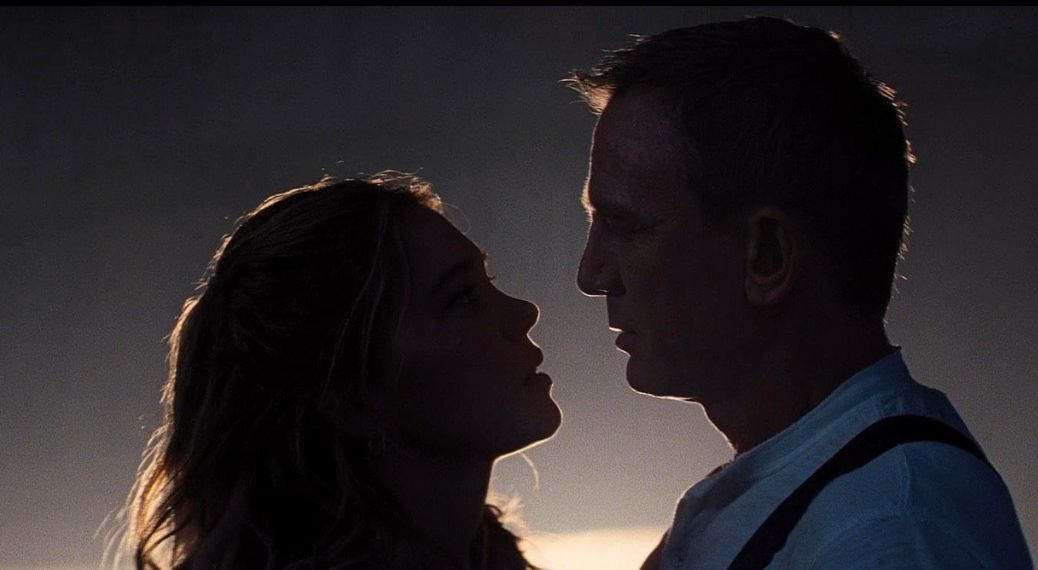
Once back in the field, Bond does not answer to MI6 right away. He joins forces with Felix Leiter and Paloma for a standout action sequence at a lavish party in Santiago. Ana de Armas makes the most of her brief screen time, bringing sharp energy and surprising warmth. Lashana Lynch’s Nomi steps in as the new 007, challenging Bond’s relevance without turning the dynamic into a lecture.
The plot soon knots itself around nanotechnology, biological weapons and a new villain. Rami Malek’s Lyutsifer Safin looks chilling and speaks softly, though his motivations never fully ignite. This has been a recurring weakness in Craig’s run. Strong actors often end up muted by overstuffed third acts. The finale unfolds in a familiar concrete lair and runs long, burdened by the need to close many arcs at once.
Still, Fukunaga directs the action with clarity and restraint. A chase through Italian streets, a forest ambush and a tense escape at sea deliver real tension without visual overload. More importantly, the film keeps returning to Bond’s inner life. Madeleine’s quiet line, “If we only had more time,” lands with layered meaning, echoing the film’s title and Craig’s farewell.

No Time to Die is not flawless, but it is sincere. It respects Bond’s legacy while allowing him something rare: emotional truth. As an ending, it feels earned. As a Bond film, it reminds us why this version mattered.