What's Inside?
- Andy returns to Runway to help revive the struggling magazine, facing media disruption, internal conflict, and Miranda’s shifting authority.
- Emily’s hidden plan to take over Runway shocks Miranda and Andy, exposing ambition, betrayal, and power struggles inside fashion media circles.
- Nigel finally gets recognition, while Andy balances career and love, as Runway survives through unity, trust, and evolving leadership dynamics.
Two decades after The Devil Wears Prada turned a sharp eye on fashion, ambition, and survival, its sequel arrives with something more on its mind than nostalgia. The Devil Wears Prada 2 revisits familiar faces, but it places them in a world that feels far less stable and far more demanding. The glamour is still there, but it is constantly interrupted by questions about relevance, power, and purpose. At the center is Andy Sachs, drawn back into the orbit of Runway magazine at a time when the industry, and perhaps the very idea of legacy media, feels like it is slipping through everyone’s fingers.
The Devil Wears Prada 2 Ending: A Magazine Fighting to Survive
The sequel wastes little time establishing the stakes. Runway is no longer the untouchable fashion bible it once was. Budget cuts loom. Digital disruption hangs over every editorial meeting. The sense of certainty that once defined Miranda Priestly’s world has thinned out.
Andy’s return is not framed as a triumphant comeback. It is closer to a rescue mission. The magazine has been bruised by scandal, and its credibility is fragile. Bringing Andy back into the fold is both a strategic move and a gamble. She represents a different kind of journalism, one shaped by a faster, more unforgiving media cycle.
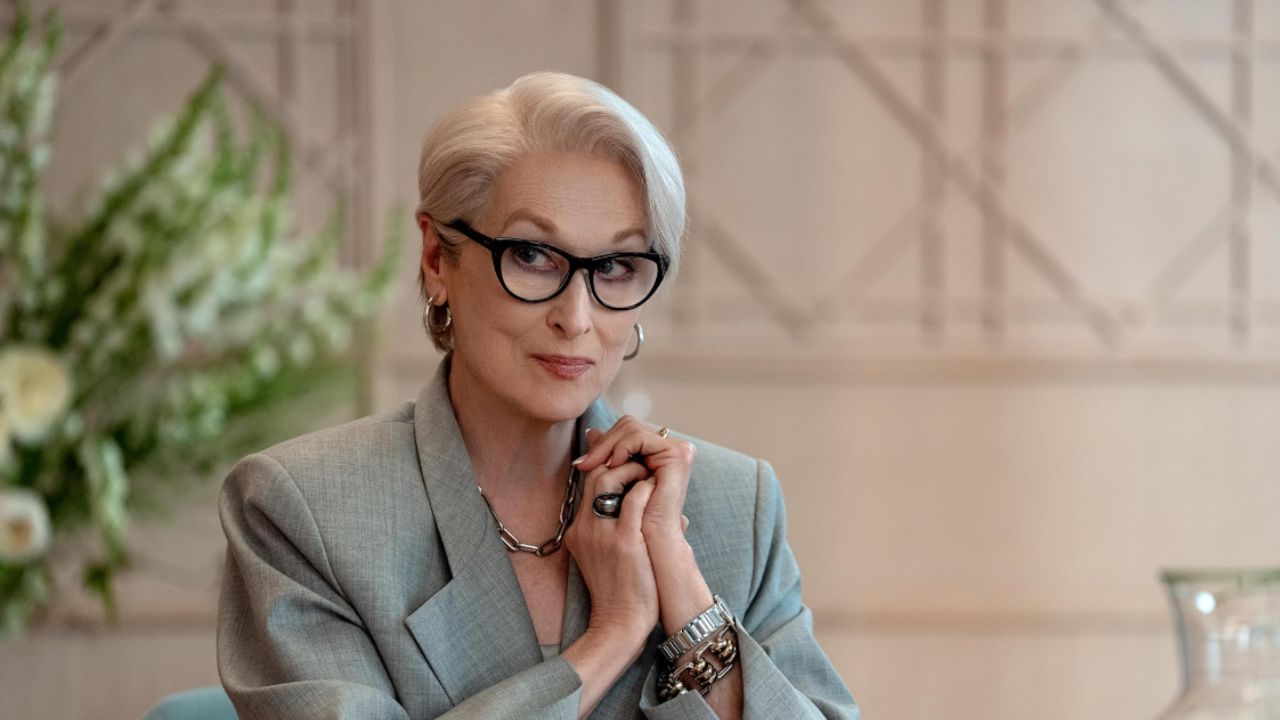
Miranda, played again by Meryl Streep, remains imposing, but there are cracks now. Her authority is challenged not just by competitors but by the system itself. The film leans into that tension. It shows how even the most powerful figures must adapt or risk being sidelined.
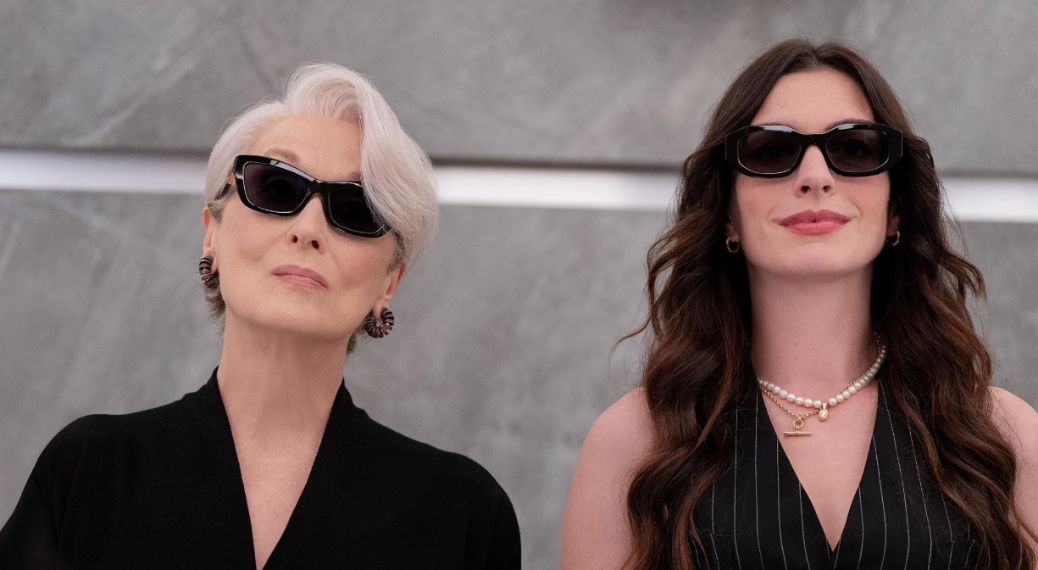
Andy, portrayed by Anne Hathaway, steps into this uncertainty with a mix of confidence and hesitation. Her ideas clash with Miranda’s instincts. Yet those clashes slowly turn into something more productive. The friction becomes a kind of energy that pushes the magazine forward.
The Devil Wears Prada 2 Ending Explained: Emily’s Betrayal Changes Everything
If the film builds toward one emotional rupture, it is the reveal involving Emily Charlton. The once-loyal assistant, now a force in her own right, enters the story with ambition that feels sharper than ever.
After Ira Ravitz’s death, his son Jay moves quickly to reshape Runway. His vision is blunt and profit-driven. Departments are on the chopping block. Prestige is treated like an expendable luxury. It is the kind of shift that threatens to erase everything the magazine once stood for.


In response, Andy turns to Emily and her billionaire partner Benji Barnes, hoping they can act as a lifeline. On the surface, it feels like a solution. A powerful ally stepping in to protect the publication.
Then comes the turn. Miranda cuts through the illusion with a line that lands like a verdict: “You’re not a visionary, you’re a vendor.” The moment reframes everything. Emily’s support was never about saving Runway. It was about claiming it.
The betrayal stings because it feels personal. Emily is not just another rival. She is someone who grew up within Miranda’s world, shaped by its pressures and rewards. Her attempt to take control is both a rebellion and a reflection of everything she learned there.
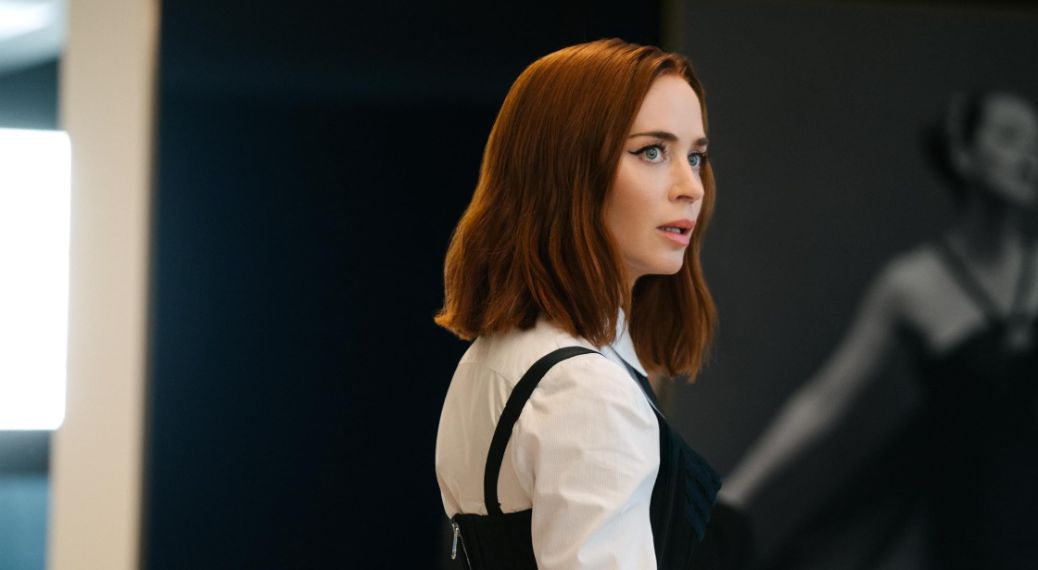
Played by Emily Blunt, Emily becomes one of the film’s most complicated figures. Her ambition is understandable, even admirable at times, but it comes at a cost. The film does not excuse her choices, but it does take the time to understand them.
The Devil Wears Prada 2: Nigel Finally Steps into the Spotlight
Amid all the corporate maneuvering, the film finds one of its most satisfying arcs in Nigel’s journey. For years, he has been the quiet backbone of Runway, shaping its visual identity without demanding recognition.
This time, the story makes space for him. When Miranda is forced to step away from a major moment during the Milan show, Andy gently pushes her to reconsider who deserves that spotlight. It is a small suggestion, but it carries weight.
Miranda listens. She asks Nigel to step in, giving him a global platform that has long been overdue. It is not just a professional acknowledgment. It is a form of atonement for past decisions, including the painful compromise she made at his expense in the original film.
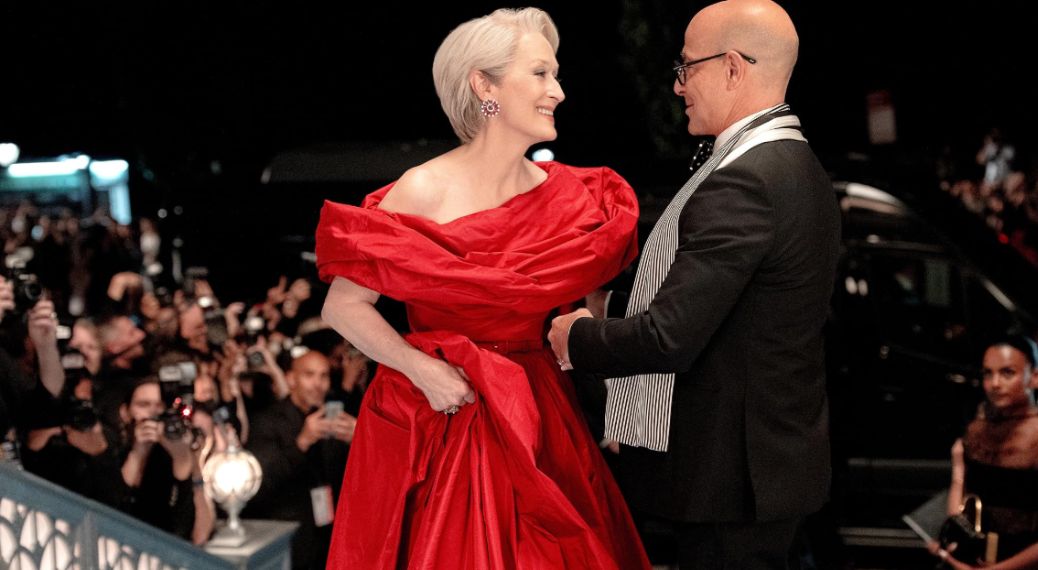
Stanley Tucci’s portrayal of Nigel brings warmth and quiet dignity to the role. His eventual recognition feels earned because it is rooted in years of unseen work. The film does not treat it as a grand spectacle. Instead, it lets the moment breathe, allowing the audience to feel its significance.
There is another reveal that deepens his importance. It turns out Nigel was the one who originally reached out to bring Andy back. That act of faith sets the entire story in motion. It is a reminder that influence does not always come from the loudest voice in the room.
The Devil Wears Prada 2 Ending: Andy’s Choices in Love and Career
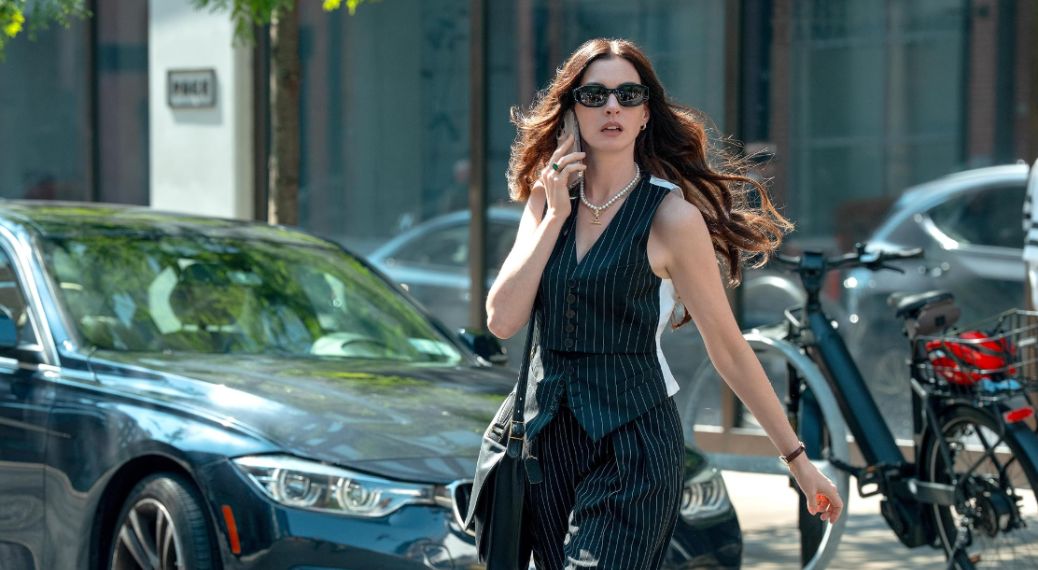
While the professional stakes dominate much of the narrative, Andy’s personal life quietly mirrors the same themes. Her relationship with Peter, an Australian contractor, unfolds with a sense of realism that avoids easy resolutions.
Their temporary distance during the Italy trip feels less like a breakup and more like a pause. It gives Andy space to reflect on what she wants, not just from her career but from her life as a whole.
When she returns, her decision is clear. She chooses to continue the relationship, expressing a desire to be “imperfect together.” The line captures the film’s broader message. Perfection, whether in fashion or relationships, is often an illusion. What matters is the willingness to stay and work through the imperfections.
At the same time, Andy faces another choice that could reshape her future. A book deal worth $350,000 sits on the table, offering her the chance to tell a deeply personal story about Miranda and the world of Runway.
Miranda’s response is unexpected. She does not try to block the project. Instead, she encourages it, insisting that people “should know there’s a cost” to the kind of career she has built. It is a rare moment of vulnerability, one that adds new layers to her character.
The Devil Wears Prada 2 Ending Explained: Who Really Ends up Running Runway
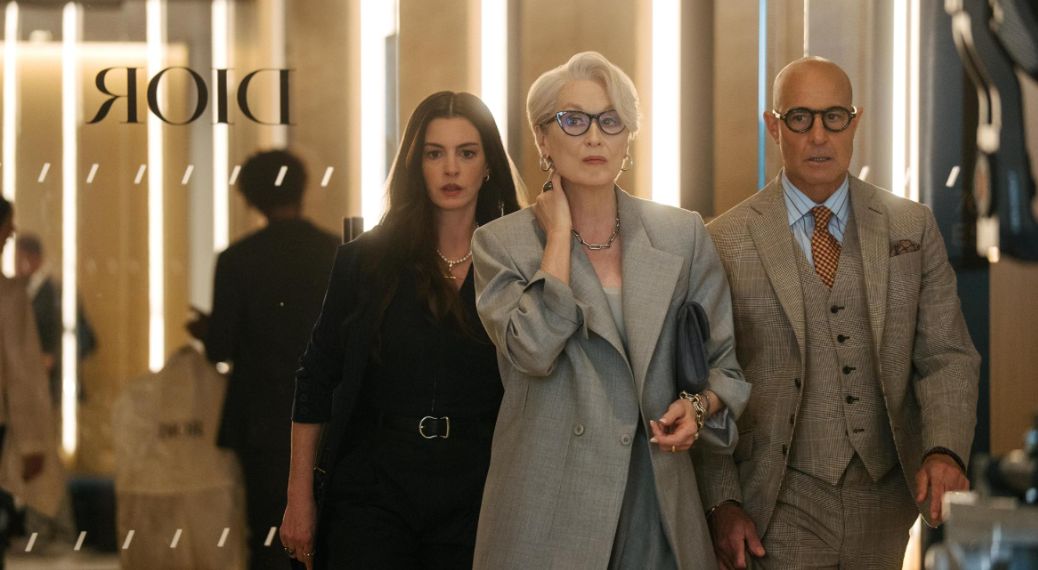
The question of control drives much of the film’s tension, and its resolution ties together the various threads with careful precision. Emily’s plan collapses, not because her ambition fades, but because Andy and Miranda find a different path.
Their solution comes in the form of Sasha Barnes, a billionaire philanthropist with both the resources and the perspective to preserve Runway’s identity. Her involvement shifts the balance of power. The magazine is no longer at the mercy of Jay’s cost-cutting agenda or Emily’s takeover attempt.
Miranda retains her position, but it no longer feels as absolute as before. There is a sense that leadership now requires collaboration rather than command. Andy remains by her side, not as an assistant but as a partner in shaping the magazine’s future.
Emily, meanwhile, faces the consequences of her choices. Her relationship with Benji falls apart, and her career takes a less glamorous turn. Yet the film does not leave her in defeat. Her reconciliation with Andy hints at growth. She begins to see that success does not have to come at the expense of everything else.
The Deeper Meaning Behind The Devil Wears Prada 2
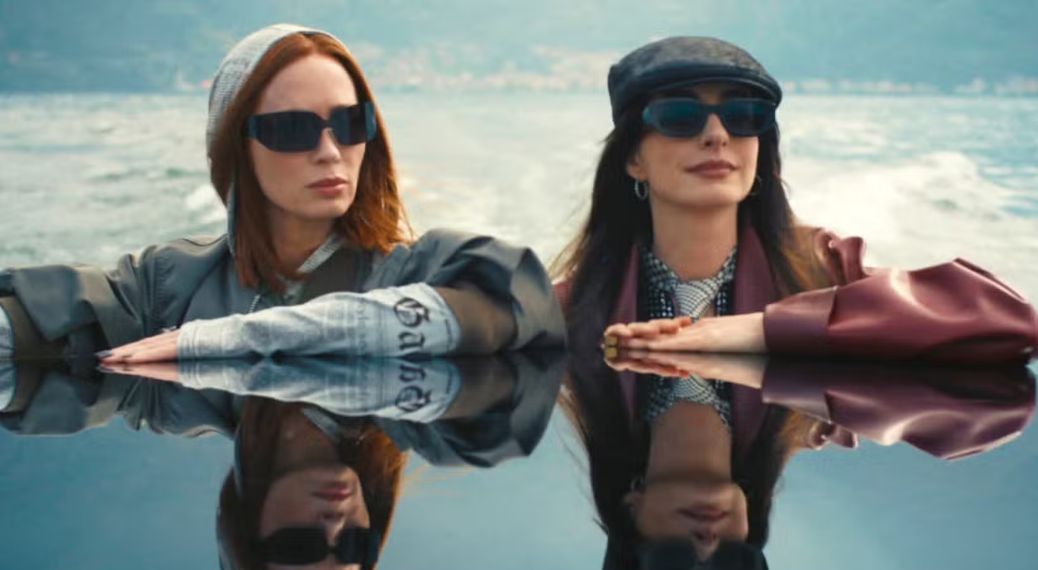
What lingers after the credits roll is not just the resolution of its plotlines but the clarity of its themes. The Devil Wears Prada 2 is less interested in who wins and more interested in how people adapt when the ground beneath them shifts.
The film draws a clear line between those who see value only in profit and those who believe in the cultural weight of what they create. Runway becomes a symbol of that struggle. It represents an idea of journalism and artistry that refuses to be reduced to numbers on a balance sheet.
At the same time, the story emphasizes connection. Nearly every major turning point is driven by relationships. Nigel’s faith in Andy. Andy’s willingness to return. Miranda’s gradual openness to change. Even Emily’s misstep stems from a desire to claim her own space in a world that once defined her.
By the end, the victories feel shared. Runway survives, but more importantly, it evolves. The characters move forward, not as isolated figures but as part of a collective effort to protect something meaningful.
There is a quiet optimism in that conclusion. It suggests that even in an era defined by disruption, there is still room for collaboration, for integrity, and for growth. The film does not pretend that the challenges will disappear. Instead, it argues that facing them together makes all the difference.
That idea gives the sequel its resonance. It is not just revisiting a beloved story. It is reexamining it through a lens shaped by time, change, and the complicated realities of the present.