What's Inside?
- Rue interprets her near-death escapes and burning bush encounter as proof God is finally guiding her toward redemption and survival.
- Bishop’s disturbing python story reframes Leslie’s emotional phone call, revealing hidden threats surrounding Rue’s fragile sense of hope.
- Alamo forces Rue into Laurie’s dangerous operation, turning her spiritual awakening into a possible path toward devastating betrayal and violence.
SPOILER ALERT: This story contains spoilers for “Stand Still and See,” Season 3 Episode 6 of “Euphoria,” now streaming on HBO Max.
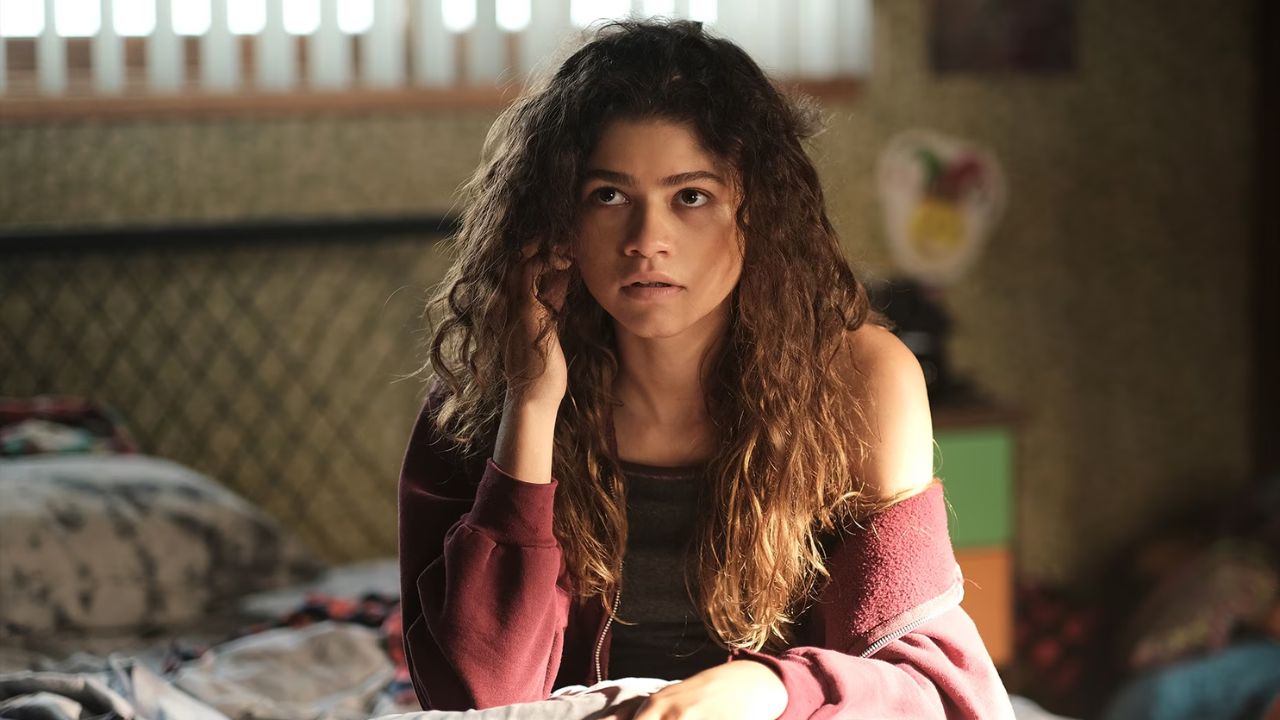
For most of Euphoria Season 3, Rue Bennett has been drifting through chaos with the uneasy sense that disaster is always one step behind her. Episode 6, titled “Stand Still and See,” finally gives her something that looks almost like hope. The hour opens with Rue narrowly escaping death yet again and closes with her kneeling before a burning bush in the middle of the desert, convinced she has seen proof of God. On the surface, it feels like the kind of spiritual breakthrough the series has long denied her. But beneath the episode’s religious imagery and emotional reunions, creator Sam Levinson quietly builds something darker. By the end, the signs pointing Rue toward redemption may also be guiding her directly into danger.
Euphoria Episode 6 Ending Explained: Rue Mistakes Survival for Salvation
The episode repeatedly frames Rue’s survival as divine intervention. First, she talks her way out of immediate death by convincing Alamo that she can still help recover Laurie’s money. Later, she survives another terrifying moment on the highway before stumbling upon the burning bush that instantly recalls the story of Moses from Exodus. Even the episode title pulls directly from scripture: “Stand still, and see the salvation of the Lord.”
Rue embraces those moments with desperation. She wants meaning. She wants forgiveness. Most of all, she wants to believe she is not beyond saving.
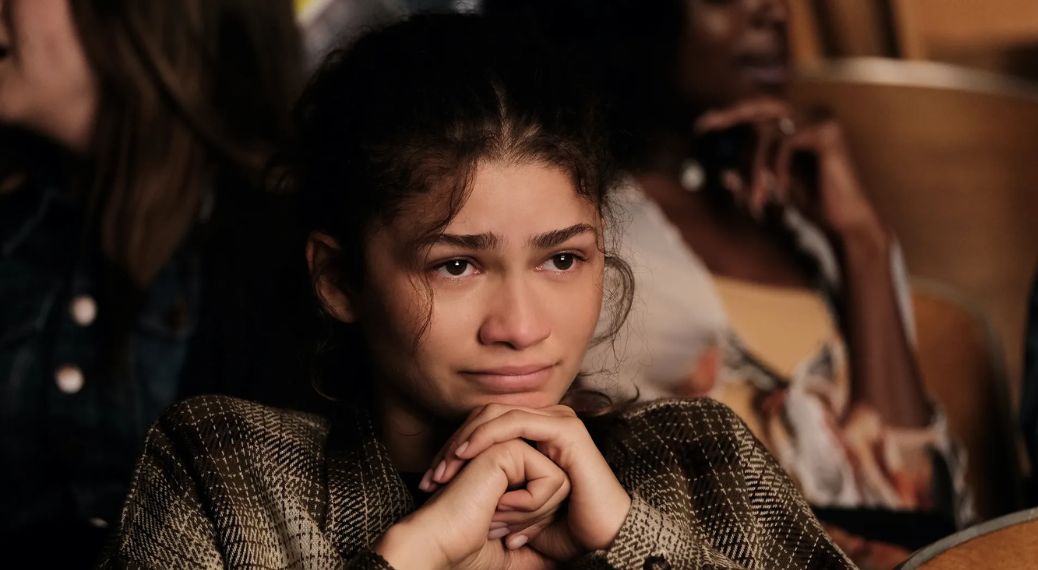
That longing becomes clearest during the episode’s emotional church sequence. While waiting for the 3D-printed key to Laurie’s safe, Rue unexpectedly receives a call from her mother Leslie. The conversation lands with unusual tenderness for a show that rarely allows its characters peace. Rue admits she believes in God now because belief also opens the door to redemption.
“I want to start over and I want to be forgiven,” Rue says.
The line does not come across as dramatic or performative. Zendaya plays it with exhaustion more than certainty. Rue sounds like someone trying to convince herself there is still a future worth fighting for.


For a brief moment, the scene almost tricks viewers into relaxing alongside her. Leslie simply responds, “I love you, Rue.” The church setting, the soft lighting, the long uninterrupted take, and the burning bush later in the episode all seem to suggest Rue is finally moving toward grace after years of self-destruction.
But Euphoria rarely hands out comfort without attaching a cost.
The Python Story Changes Everything about Rue’s Call with Leslie
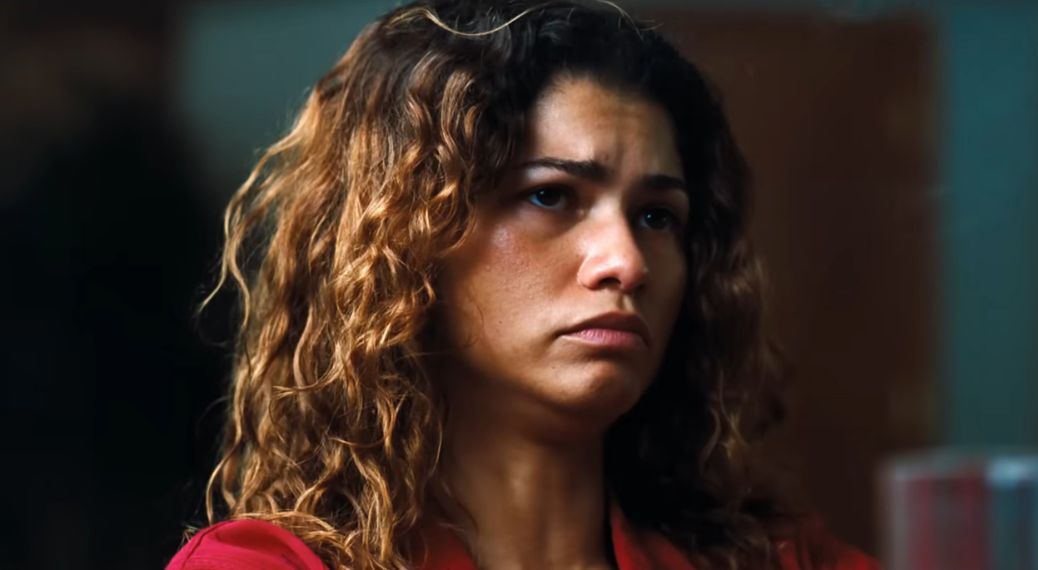
Euphoria episode 6 episode’s most chilling moment arrives later when Bishop shares the story behind Alamo’s python. At first, it sounds like one more bizarre anecdote from the criminal world Rue has fallen into. A dancer named Sugar used to sleep beside the snake every night, believing the animal loved her. When it stopped eating, she worried something was wrong and took it to a vet.
The answer she received reframed the entire relationship.
“The reason it wraps itself around you at night is because it’s sizing you up. And the reason it ain’t eating is because it’s preparing for a much larger meal.”
The story immediately shifts the tone of the episode. Bishop explains that Alamo bought the snake because it reminds him that people never reveal their true intentions. It is not subtle symbolism. Levinson wants viewers to question every act of kindness or warmth surrounding Rue.
That includes Leslie’s phone call.
Earlier in the season, Leslie ignored Rue’s attempts to contact her. Rue herself initially assumes the incoming call labeled “Mom Cell” is actually the DEA line. At first, her mother reaching out feels genuine, maybe even healing. Then Bishop casually reveals he recently visited Leslie and told her Rue was “doing well.”
Suddenly the church scene looks very different.
Bishop’s visit strongly suggests Leslie called because Alamo’s people reached out first. The warmth in that conversation may still be real, but now it carries pressure and fear beneath the surface. Rue does not recognize it because she is too consumed by the idea that God is finally looking out for her.
The audience, however, no longer has that luxury.
Rue’s Burning Bush Moment May Not Mean What She Thinks
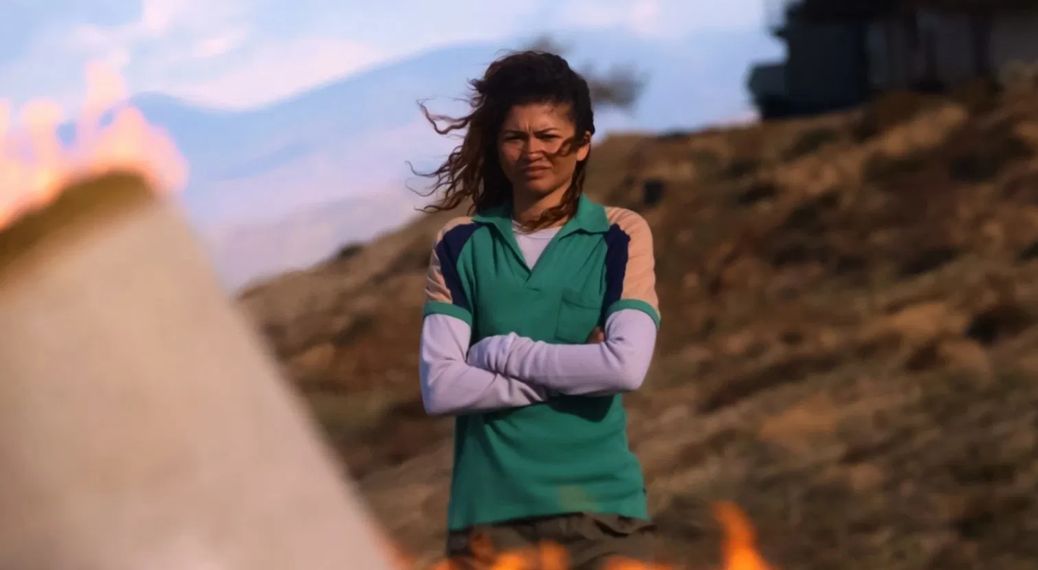
The final image of Rue kneeling before the burning bush is visually striking because it operates on two levels at once. To Rue, it confirms that her survival means something larger. She sees divine guidance. A second chance. Maybe even proof that she can escape the violence surrounding her.
The episode quietly leaves room for another explanation.
Maybe the bush simply caught fire after her crash. Maybe what Rue interprets as spiritual clarity is just another example of her searching for meaning inside trauma. That uncertainty is what makes the ending effective. Euphoria does not fully reject the possibility of redemption, but it refuses to romanticize it either.
The cold open involving Alamo and his mother already hinted at that tension. Love, manipulation, survival, and betrayal all exist together in the same space. The people who appear protective are often the most dangerous. The python story reinforces that idea again and again.
Rue walks away from Episode 6 believing she has finally seen salvation. Yet nearly every warning sign around her suggests she is being cornered rather than rescued.
That contradiction is what makes the ending linger. For the first time in a long time, Rue feels hopeful. In Euphoria, that alone is enough to make viewers nervous.
New episodes of Euphoria come out on Sunday nights at 9 PM ET on HBO and HBO Max.