What's Inside?
- The Killing was canceled twice by AMC before Netflix stepped in, proving strong fan demand can revive even struggling shows.
- Netflix’s revival gave The Killing a proper ending, something rare today as many streaming series end abruptly without closure.
- Despite its success, The Killing never fully matched Forbrydelsen’s layered storytelling, which explored crime’s impact across society in depth.
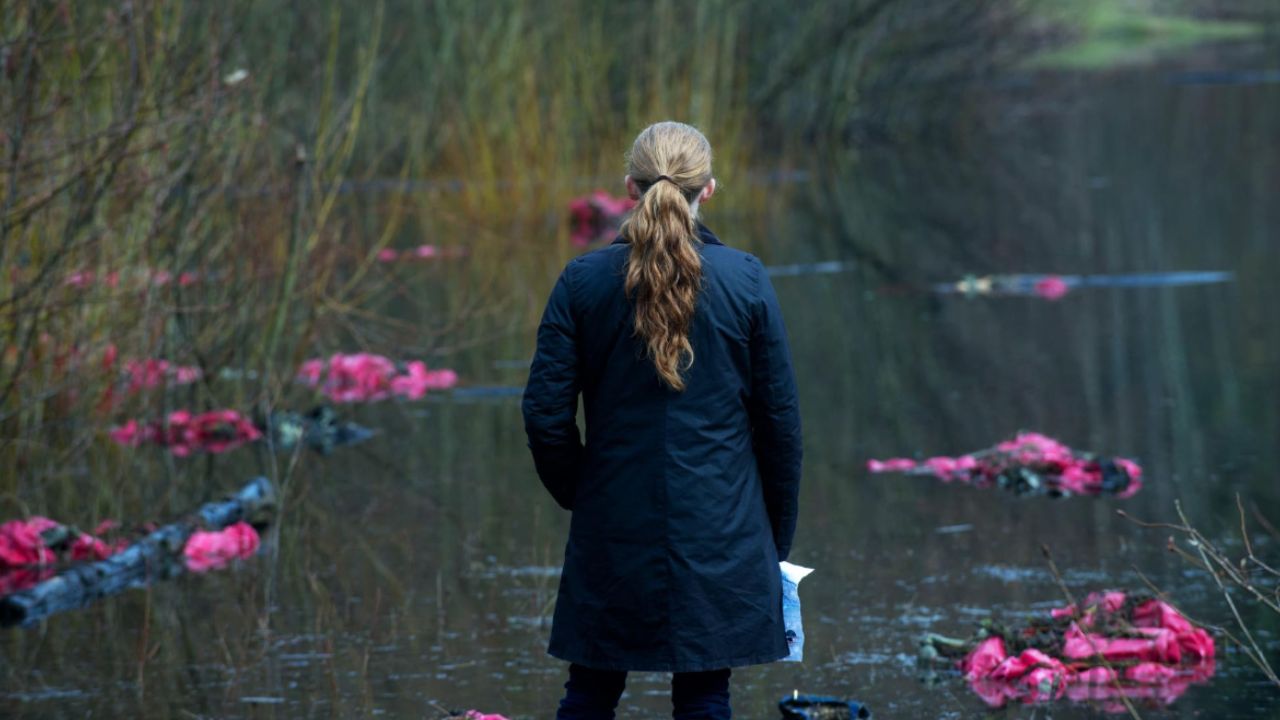
In an era where streaming platforms are quick to pull the plug, survival has become its own kind of success story. Shows often disappear just as audiences begin to invest, leaving behind unfinished arcs and lingering questions. Netflix, in particular, has built a reputation for abrupt cancellations across genres. Yet, every now and then, the same platform flips the script. That is exactly what happened with The Killing, a brooding crime drama that refused to fade away quietly. Canceled not once but twice, the series carved out an unlikely legacy, driven by loyal fans and a story that still felt unfinished.
The Killing Revival Story Shows How Netflix Saved a Canceled Crime Drama
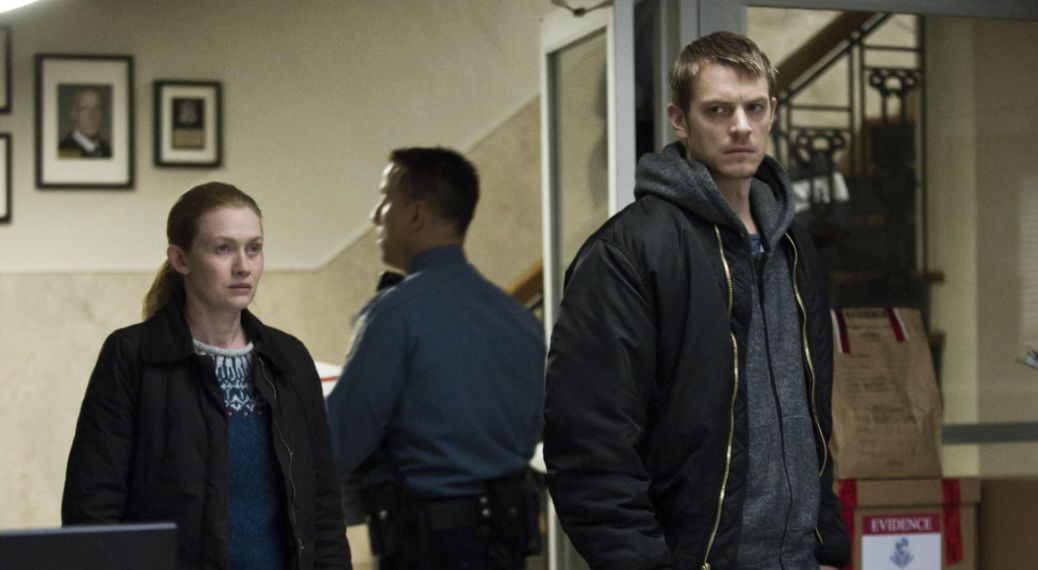
When The Killing first arrived in 2011 as an AMC original, it did not take long to find its audience. Adapted from the Danish hit Forbrydelsen, the series leaned into mood and patience rather than quick thrills. Rain-soaked streets, long silences, and a slow-burning mystery gave it a distinct voice. At the center were Detective Sarah Linden and her partner Stephen Holder, played by Mireille Enos and Joel Kinnaman. Their chemistry carried the show through a narrative that explored not just crime, but its ripple effects.
The first two seasons focused on the murder of Rosie Larsen, a case that gradually unfolded with emotional weight. By the end of season 2, the story had reached what felt like a natural conclusion. AMC seemed to agree. Just days before the finale aired in June 2012, the network canceled the show. For many, it looked like the end.
But behind the scenes, there was still belief in the series. Fox Television Studios began looking for a new home, and interest quickly followed. Netflix stepped in, striking a deal that allowed AMC to air a third season while Netflix secured streaming rights. It was an unusual arrangement, but it worked. For a moment, The Killing had a second life.
That second chance did not last long. In September 2013, AMC canceled the show again, shortly after season 3 wrapped. This time, however, Netflix took full control. In a move that contrasted sharply with its reputation, the platform revived the series for a fourth and final season. It was a rare reversal, with Netflix stepping in as a rescuer rather than the executioner.
Still, there were limits. The final season ran for just six episodes, a shorter run compared to the earlier seasons. It was clear that this would be the end. Yet, those episodes mattered. They gave the story space to close, offering a sense of completion that many canceled shows never receive. For fans, it was not just about survival but about closure.
Why The Killing Never Matched Forbrydelsen Despite its Revival Success
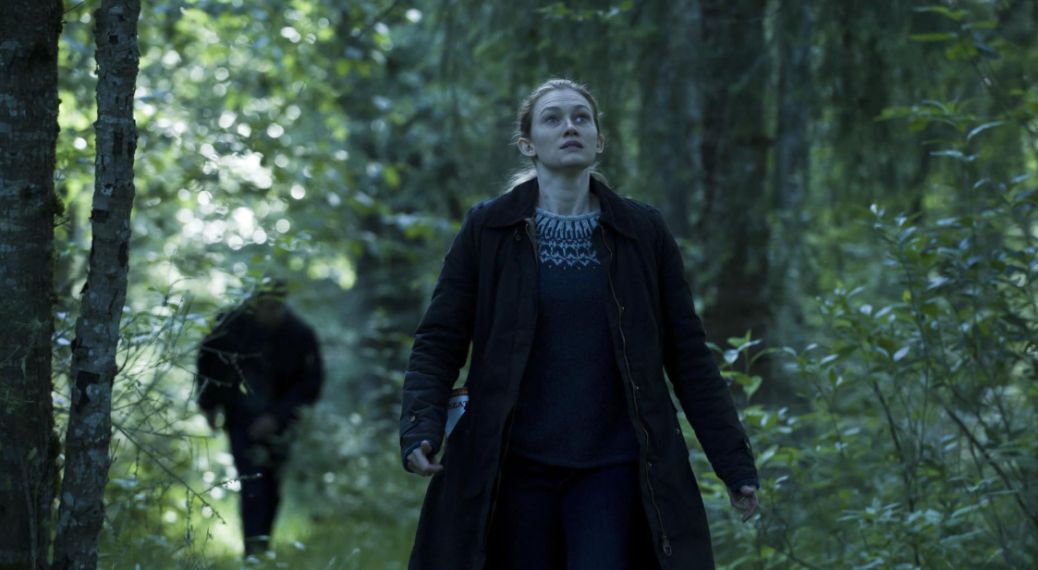
Even with its dramatic journey, The Killing struggled to fully capture what made its Danish predecessor so powerful. The first season followed Forbrydelsen closely, mirroring its plot and even some of its visual style. But as the series moved forward, subtle differences began to show.


The original Danish series approached crime with a unique lens. Each season focused on a single case, but it was never just about solving it. The story branched outward, examining how one murder could shape an entire community. Families grieved in raw, unfiltered ways. Detectives wrestled with personal and professional boundaries. Politicians navigated the fallout, balancing public perception with private realities. It was a layered narrative that felt both intimate and expansive.
The American adaptation captured parts of that structure but often leaned more heavily on traditional storytelling beats. It remained tense and engaging, but something harder to define seemed to slip away in translation. The emotional depth was there, yet it did not always land with the same precision.
That does not diminish what The Killing achieved. If anything, its journey highlights how difficult it is to adapt something so culturally rooted. At the same time, its revival may have had an unintended benefit. By bringing attention back to the story, it encouraged viewers to seek out Forbrydelsen itself, giving the original series a wider audience.
In the end, The Killing stands as both a cautionary tale and a quiet triumph. It did not surpass its source material, but it refused to disappear without a proper goodbye. In a landscape where endings are often cut short, that alone feels like a small victory.