
What's Inside?
- Nicola Coughlan questions why her body became a talking point after Bridgerton, saying the focus overshadows the work actors pour into performances.
- The Irish actress says she has “no interest in body positivity,” explaining she never viewed actors through body standards growing up.
- Coughlan also recalled awkward fan encounters and urged people to stop commenting on her body after years of online scrutiny.
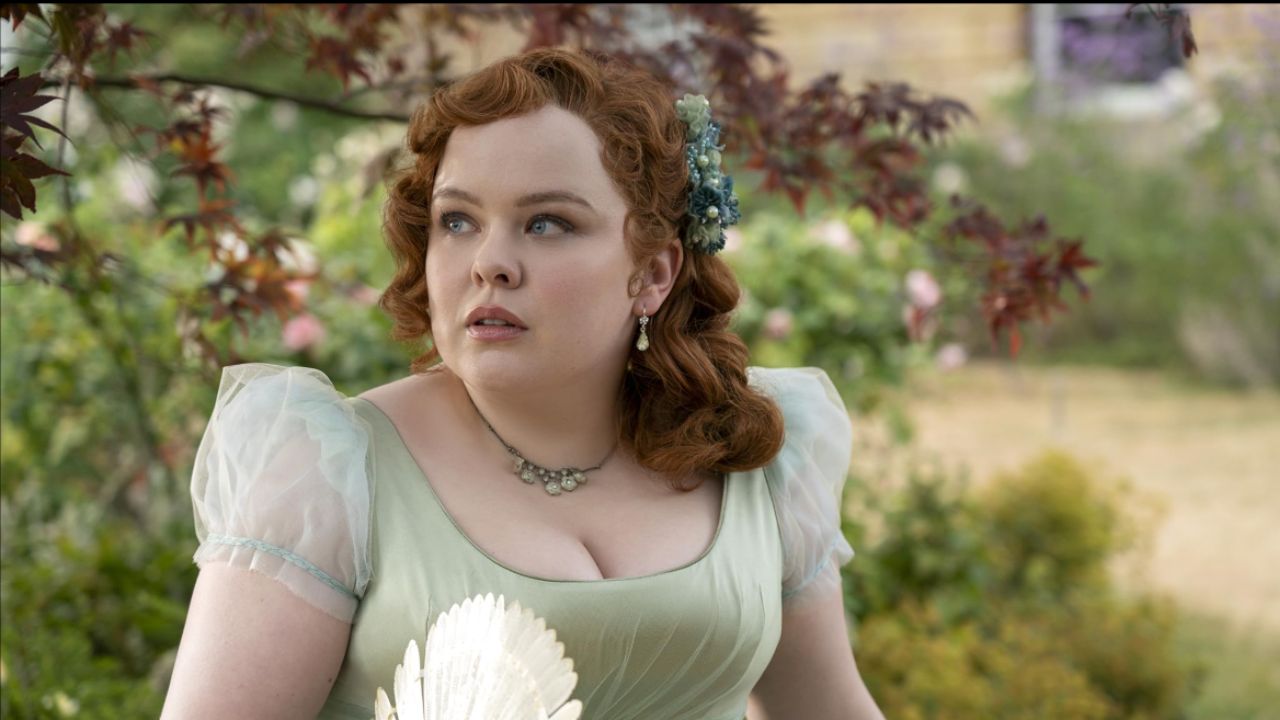
For years now, Nicola Coughlan has been one of the most beloved faces on Bridgerton. Her portrayal of Penelope Featherington helped turn the lavish period drama into a cultural obsession on Netflix. Yet alongside the praise for her performance came something she never really asked for. Conversations about her body. Since the show debuted in 2020, Coughlan has repeatedly found herself labeled a “plus-size role model,” a title she neither sought nor fully understands. In a candid new interview with Elle UK, the Irish actress opened up about why those conversations feel misplaced and why she would rather audiences focus on the work itself.
Nicola Coughlan on Body Positivity Debate
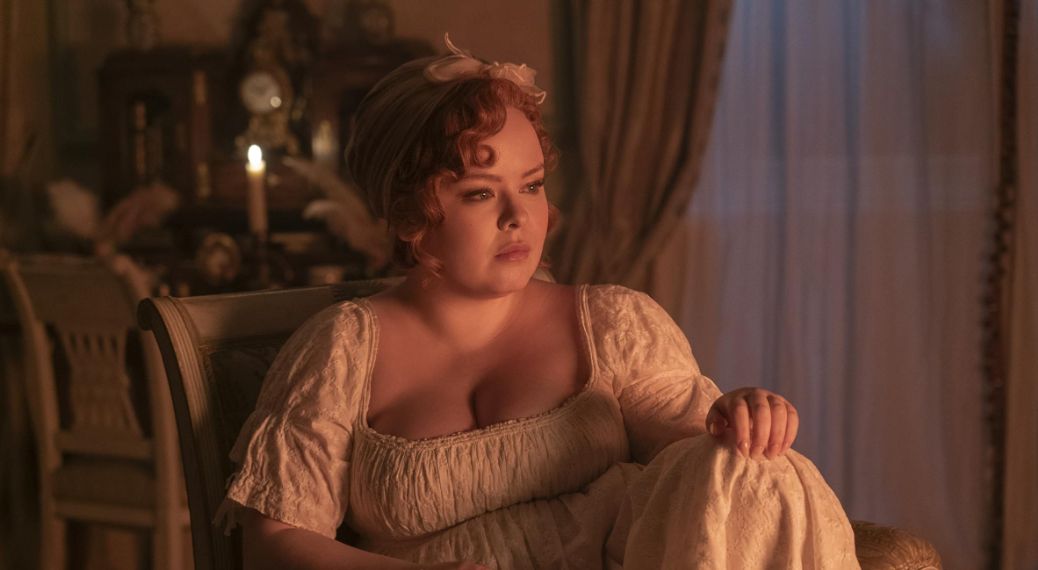
Nicoa Coughlan has never shied away from speaking honestly, and her latest comments reflect the same straightforward tone. While filming Bridgerton, she recalled how confusing it felt to hear people describe her body in ways that did not match her own experience.
“You know what was really bizarre was, when I was shooting that series, I was exercising a lot because I knew I had to, so I had lost a bunch of weight — I was probably a size 10 and one of the corsets was a size 8,” Coughlan admitted in the April issue of Elle UK. “And then people talked about how I was plus size, and I was like, ‘How f—ed are we that I am the biggest woman you want to see on screen?”’
For the actress, the issue is not simply labels. It is how quickly the conversation shifts away from the craft of acting. Months of preparation, long shooting schedules, and emotional investment often get reduced to commentary about appearance.
She recalled one moment with a fan that still sticks with her.
“I remember this really drunk girl once talking to me in a bathroom being like, ‘I loved [Bridgerton] because of your body.’ And started talking about my body, and I was like, ‘I want to die. I hate this so much…’ It’s really hard when you work on something for months and months of your life, you don’t see your family, you really dedicate yourself and then it comes down to what you look like — it’s so f—ing boring.”
Those moments have shaped how she responds to the wider “body positivity” conversation. While many admire her as a symbol of representation, Coughlan insists it is not a role she feels connected to.
“The thing I say sometimes that pisses people off is I have no interest in body positivity,” Coughlan told Elle UK. “When I was a kid growing up, I never thought about that. I didn’t look at actors and think about their bodies. So, I actually don’t care.”
Nicola Coughlan Asks Fans to Stop Discussing Her Body
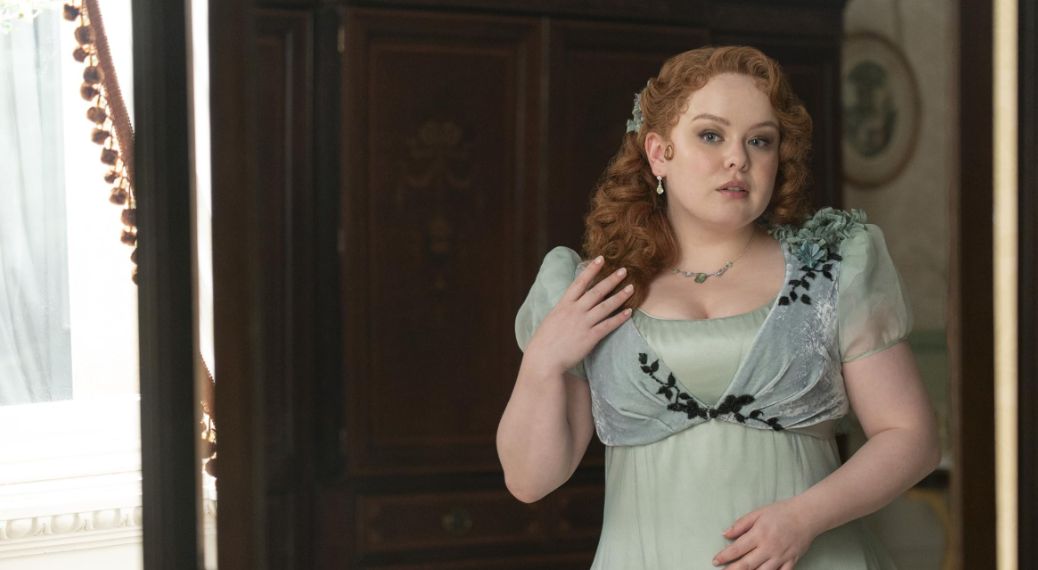
The attention around her appearance has persisted despite repeated requests from the actress to steer the conversation elsewhere. Back in 2022, she even took to Instagram with a direct appeal to fans.
“If you have an opinion about my body please, please don’t share it with me,” she wrote in a since-deleted Instagram. “It’s really hard to take the weight of thousands of opinions on how you look being sent directly to you every day.”

These days, Coughlan seems determined to keep the focus where she believes it belongs. On storytelling.
Season four of Bridgerton is expected to bring a new chapter for Penelope, including motherhood. Off screen, the actress shared a lighthearted memory about working with the baby who plays her son, Elliot.
“The baby looks so like me… We bonded right away, which was so cute. For comfort, he started pinching the top of my boob so hard, I ended up with a bruise. I went to the Emmy’s later that week, and I remember people thinking it was a hickey and I was like, ‘It’s a baby pinch!”’
For Coughlan, moments like that capture what the job should be about. The characters, the humor, and the stories audiences fall in love with. Not the endless commentary about how someone looks on screen.