What's Inside?
- Christopher Nolan inherited 'Interstellar' after Steven Spielberg stepped away, reshaping Jonathan Nolan’s original father-son story.
- Timothée Chalamet admitted he “wept for an hour” after discovering his role was significantly reduced in the final cut.
- Despite mixed early reviews, Interstellar earned $681 million worldwide, won an Oscar, and grew into a cult sci-fi favourite.
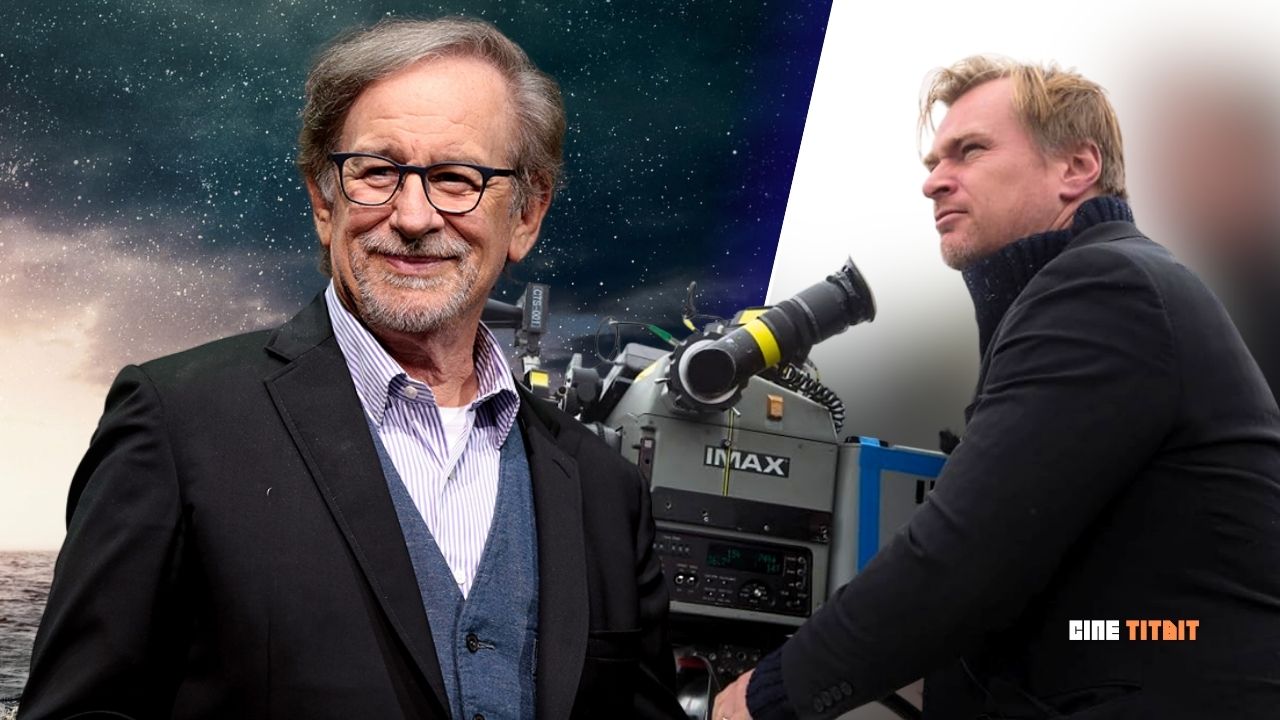
Christopher Nolan’s Interstellar stands today as one of modern cinema’s most hailed space epics, though its path to the screen was far from certain. The film began as a Steven Spielberg collaboration before Nolan took it with his own ideas about time, grief, and survival. Years later, at a packed IMAX 70mm screening in Los Angeles, Nolan and Timothée Chalamet revisited that journey. Their reunion revealed several things, including the fact that the space epic would have looked very different if Spielberg decided to helm.
The 2014 release earned hundreds of millions worldwide and five Academy Award nominations, yet its emotional ambition initially unsettled some critics.
Christopher Nolan Wasn’t the First Choice for Interstellar
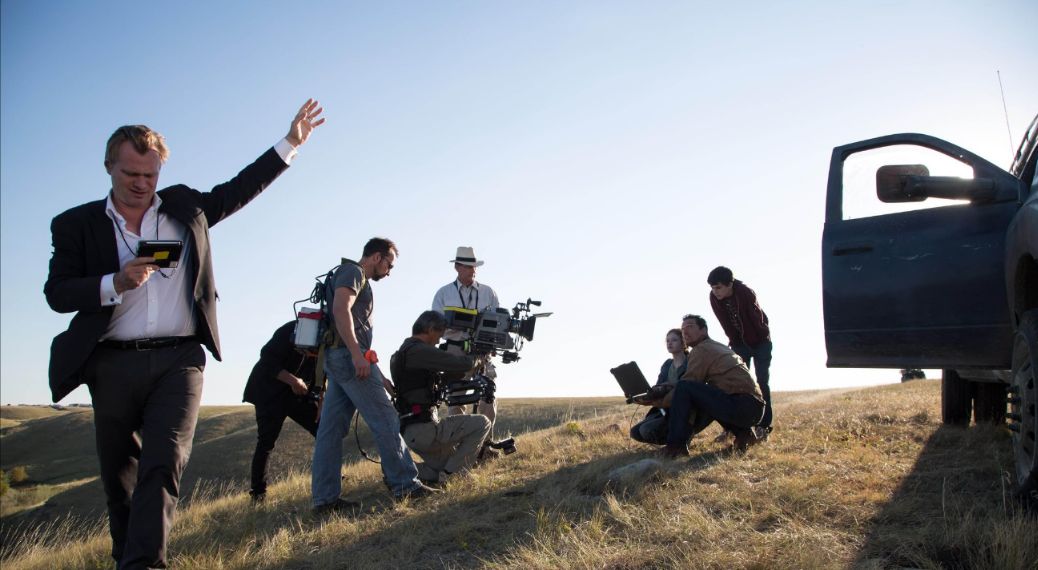
The origins of Interstellar trace back to physicist Kip Thorne, who pitched a scientifically grounded space story to Steven Spielberg. Jonathan Nolan developed the screenplay with Spielberg in mind. As Timothée Chalamet reminded audiences, “This was a script [Nolan’s brother Jonathan] wrote for Steven Spielberg.”
Christopher Nolan later stepped in when the project became available. He described how the film evolved through multiple versions before landing in his hands. “Right after we collaborated on ‘Dark Knight,’ my brother got the job and went to work with Steven. I get to call him Steven. He’s Mr. Spielberg to you,” Nolan said. He added that the project never gained full traction until Spielberg moved on to another film. Certainly, it would look very different as Spielberg, who is also a master of sci-fi movies, has projects like E.T. the Extra-Terrestrial in his sleeve. Perhaps, more dramatic against the nail biting trilling experience Nolan provided.
Nolan saw potential in the first act, drawn to its emotional core. He approached his brother with a proposal: “‘How would you feel if I took this and tried to combine it with some of my ideas and change a bit with what it was?’” Jonathan Nolan agreed, trusting that the spirit of the story would remain intact.
For Chalamet, the early version created expectations. “When I got the part, I Googled the project. The original story was about a father and his son, so I thought, ‘Oh man, I made it!’ And then obviously they reworked it and young Tom was a smaller part, but that’s OK.” Nolan gave a playful warning, “Never believe what you read online!”


Christopher Nolan Explains Why He Cut Most of Timothée Chalamet’s Part
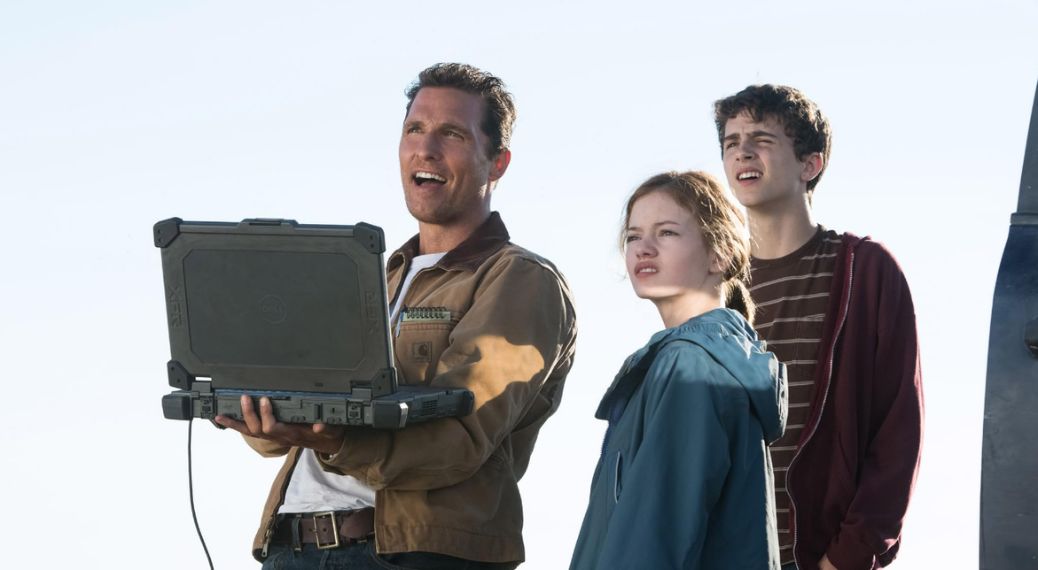
Chalamet has been candid about his disappointment. He once admitted, “I saw and loved it, but then I went home with my dad and wept for an hour because I just figured my part was bigger or something.” At the reunion screening, he reflected on his thoughts on his emotional investment in the project.
“Though my role is not enormous in ‘Interstellar,’ I think I was number 12 on the call sheet, this film came to me at a time in life, in my career, where things were certainly not set yet. And it’s remained my favourite project I’ve ever been in. It’s the film I’ve seen the most of, of all the films ever made in human history.”
Nolan revealed that performance choices influenced the edit. “When you were filming the messages from home, there was a particular thing where you were hitting a dark tone,” he recalled.
“It felt too much for me. I didn’t particularly like it. I told you about it and you went ahead and did whatever the fuck you wanted and carried on. You had planned what you wanted to do. You planned your choices and you didn’t want to abandon that on a casual whim for me.”
The result was a leaner role, later taken forward by Casey Affleck as the older Tom. The scene of Cooper watching years of missed messages remains one of the film’s most devastating moments.
Christopher Nolan’s Interstellar Was a Huge Success
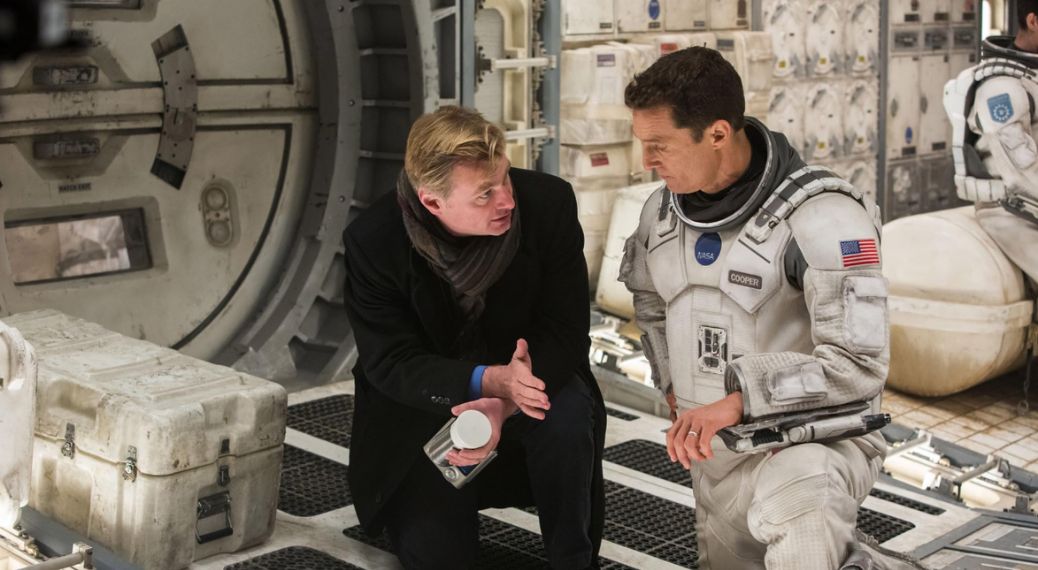
Upon release in November 2014, Interstellar grossed $681 million worldwide during its initial run, with $204 million domestically and over $438 million internationally, according to The Numbers. It earned five Oscar nominations and won for Best Visual Effects. Its Rotten Tomatoes score sits at 73%.
Nolan acknowledged the mixed tone of early reviews. “The film was received in a slightly ambiguous way,” he said. “It was a little bit sniffy.” He remembered being labelled “a cold guy who makes cold films.
“The reason I was attracted to my brother’s first act is because it’s about family and humanity, and it’s deeply emotional. That’s the film I wanted to make. It’s a film that wears its heart on its sleeve.”
The movie aged like a fine wine. A recent re-release added more than $20 million globally in days. Nolan noted, “The project seems to touch people more and more year after year and sort of grows.”
Interstellar can be streamed on Hoopla and is available to rent on VOD platforms, including Amazon.