What's Inside?
- A federal judge dismissed most claims in Blake Lively’s lawsuit, including sexual harassment and defamation, citing jurisdictional and legal limitations.
- Three claims, including retaliation and breach of contract, remain active and will proceed to a civil trial scheduled in New York.
- Both sides claim vindication as legal battle continues, with Lively focusing on retaliation and Baldoni defending against narrowed allegations.
A high-profile legal fight tied to one of 2024’s most talked-about film releases has taken a sharp turn. A federal judge in New York has dismissed most of the claims in Blake Lively’s sexual harassment lawsuit against her It Ends With Us co-star and director Justin Baldoni. While the ruling clears away several serious allegations, it does not end the case. Instead, it narrows the focus to a handful of claims that will now move toward a civil trial set for May 18, keeping the spotlight firmly on what happened behind the scenes of the hit adaptation.
Blake Lively’s Sexual Harassment Lawsuit Sees Major Claims Dismissed
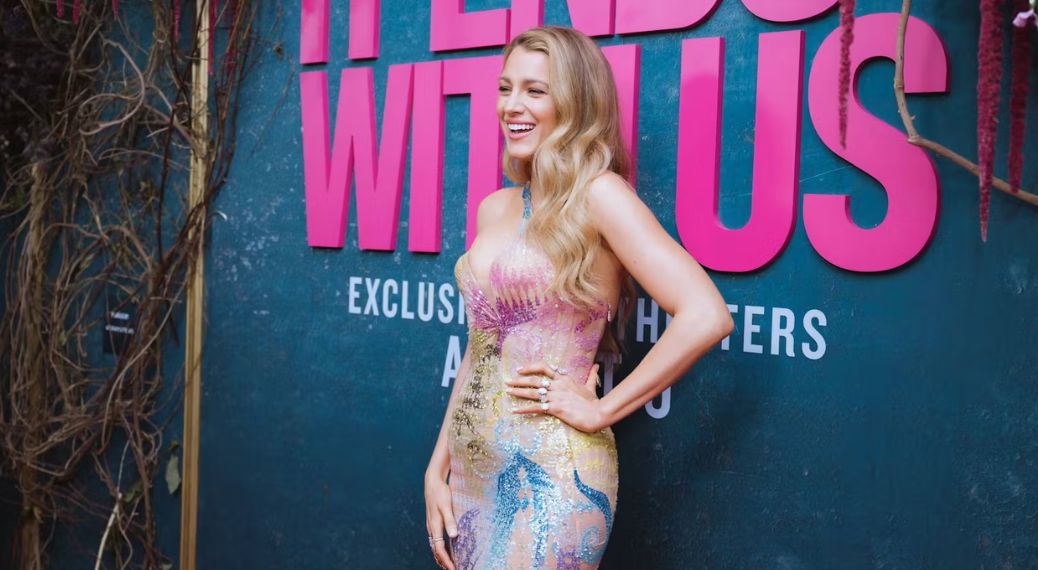
In a detailed 152-page opinion, Judge Lewis J. Liman dismissed 10 of the 13 claims Blake Lively originally brought, including allegations of sexual harassment and defamation. The decision leaned heavily on legal technicalities and context rather than outright dismissal of all concerns.
One key issue was jurisdiction. The judge noted that the alleged misconduct took place in New Jersey, not California, weakening claims filed under California law. “None of these acts or occurrences provides the ‘substantial connection’ to California needed to sustain Lively’s sexual harassment claims,” Liman wrote.
Another crucial factor was Lively’s employment status. The court determined she worked as an independent contractor rather than an employee, making her ineligible to bring certain claims under Title VII protections.
The ruling also examined the blurred lines between performance and personal conduct. Liman acknowledged that some alleged behavior might appear inappropriate in a typical workplace. Still, he emphasized the context of filmmaking. “Creative artists, no less than comedy room writers, must have some amount of space to experiment within the bounds of an agreed script without fear of being held liable for sexual harassment,” he wrote.
That context proved decisive. The judge pointed to scenes where Justin Baldoni’s actions, even if improvised, could reasonably fall within the scope of character portrayal rather than personal misconduct.
At the same time, Liman did not entirely dismiss Lively’s concerns. “To be sure, much of what Lively complains about is not actionable. The Wayfarer Parties were entitled to engage public relations and crisis management specialists to protect their reputations,” he noted. “However, certain conduct at least arguably crossed the line.”


Blake Lively’s Sexual Harassment Lawsuit Heads to Trial on Retaliation Claims

Despite the sweeping dismissals, the case is far from over. Three claims remain intact, including breach of contract, retaliation, and aiding and abetting retaliation. These surviving allegations will now be examined in court, where a jury could still hear many of the underlying details.
At the heart of this next phase is Lively’s accusation of a coordinated effort to damage her reputation after she raised concerns. Her legal team has consistently framed the dispute less as a harassment case and more as one centered on retaliation.
An attorney for Lively told CBS News the case “has always been and will remain focused on the devastating retaliation and the extraordinary steps the defendants took to destroy Blake Lively’s reputation because she stood up for safety on the set and that is the case that is going to trial.”
Sigrid McCawley reinforced that stance, saying, “For Blake Lively, the greatest measure of justice is that the people and the playbook behind these coordinated digital attacks have been exposed and are already being held accountable by other women they’ve targeted.” She added, “She looks forward to testifying at trial and continuing to shine a light on this vicious form of online retaliation so that it becomes easier to detect and fight.”
Baldoni, for his part, has denied the allegations from the beginning. His legal team welcomed the court’s decision, stating they were “very pleased” the sexual harassment claims had been dismissed. “What’s left is a significantly narrowed case, and we look forward to presenting our defense to the remaining claims in court,” his attorneys said.
The legal clash has unfolded alongside competing narratives. Baldoni previously filed a $400 million countersuit accusing Lively, her husband Ryan Reynolds, and others of defamation and extortion. That case was dismissed last year, with the court finding the claims insufficient.
Beyond the courtroom, the dispute has drawn attention for its broader implications. Lively’s team has alleged a calculated effort involving social media tactics and media narratives to undermine her credibility. The case has even pulled in unexpected elements, including text exchanges involving Taylor Swift.
All of it traces back to the set of It Ends With Us, adapted from Colleen Hoover’s bestselling novel. The film, which explores themes of domestic abuse beneath its romantic surface, was a box office success. Yet its release was overshadowed by rumors of tension between its leads.
Now, with a trial looming, the story is shifting again. The headlines may have changed, but the core conflict remains unresolved. And as both sides prepare for court, the next chapter promises to be just as closely watched as the film that brought them together.