What's Inside?
- Maggie Gyllenhaal says the brutal sexual violence in The Bride! was intentional, arguing realism reflects the true horror survivors face.
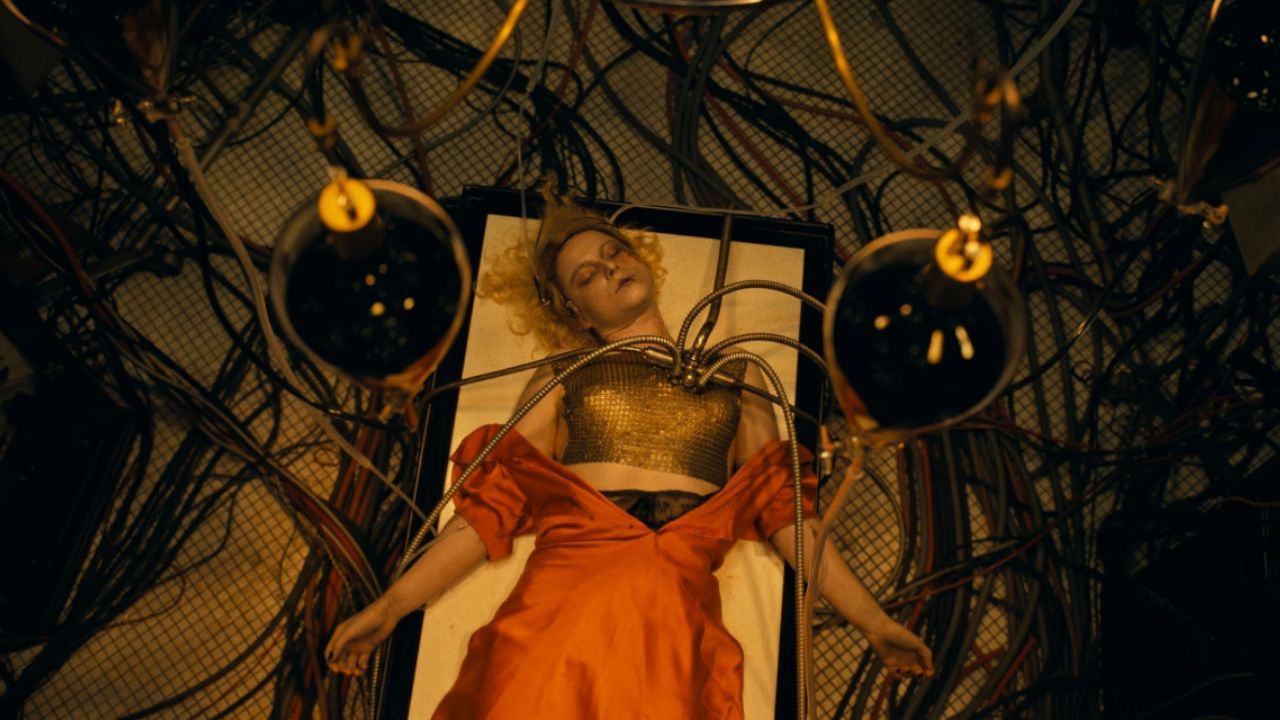
- Jessie Buckley stars as the resurrected Bride in the Frankenstein-inspired film, navigating violence, revenge, and survival in 1930s Chicago.
- Gyllenhaal explores how audiences react differently when women commit violence, challenging familiar revenge narratives seen in traditional monster stories.
Director Maggie Gyllenhaal is not backing away from the debate surrounding her latest film, The Bride!. The ambitious Frankenstein-inspired drama has sparked intense discussion for its portrayal of sexual violence, a choice that has divided critics and audiences. Yet for Gyllenhaal, the discomfort is the point. The story follows a resurrected woman, played by Jessie Buckley, navigating a brutal world that often treats her as disposable. Instead of softening those realities, the filmmaker chose to confront them head-on. In interviews, Gyllenhaal has made clear that every difficult moment was intentional, part of a larger exploration of violence, empathy, and the way audiences react when women claim agency in dark circumstances.
The Bride Confronts Violence without Looking Away
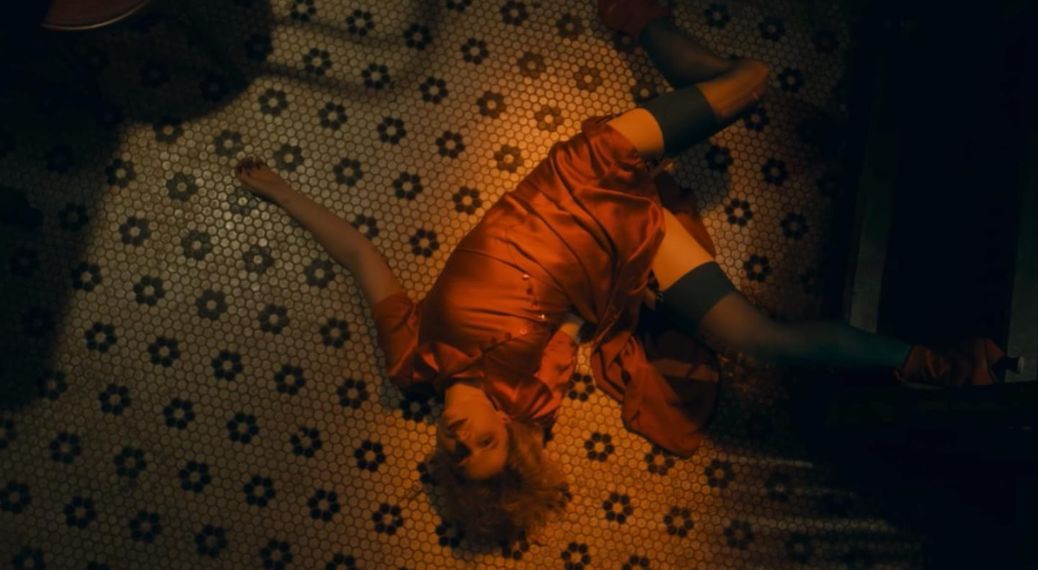
Set in 1930s Chicago, The Bride! centers on a lonely Frankenstein figure portrayed by Christian Bale. Desperate for companionship, he turns to pioneering scientist Dr. Euphronious, played by Annette Bening, to revive a murdered woman. That woman becomes the Bride, a character who quickly finds herself navigating a hostile world where danger appears in many forms.
Several scenes depict disturbing encounters, including harassment at a nightclub, an assault outside the club, and an attempted rape by a police officer. Gyllenhaal has defended the decision to portray these moments with unflinching realism. (Via Entertainment Weekly)
“I have to say, I felt strongly that the sexual violence had to be brutal, real, because if you gloss over it, it doesn’t feel like the brutality that it is,” she says. “And I got taken to task on that, too. I do not believe that there is any aspect, not one bit of the sexual violence in the movie that is unconsidered or that is gratuitous. I am totally taking responsibility for my take on all of that.”
For the director, whose previous film The Lost Daughter earned critical acclaim, the goal was not shock value. Instead, she believes confronting the harshness of violence honors people who have endured similar experiences.
“I think that it is honoring people who have gone through things like that by making it feel horrible, brutal, massive, and really difficult to watch,” she says. “That’s my take. And it might be different if a man were making the movie.”
The Bride and the Complicated Lens of Revenge
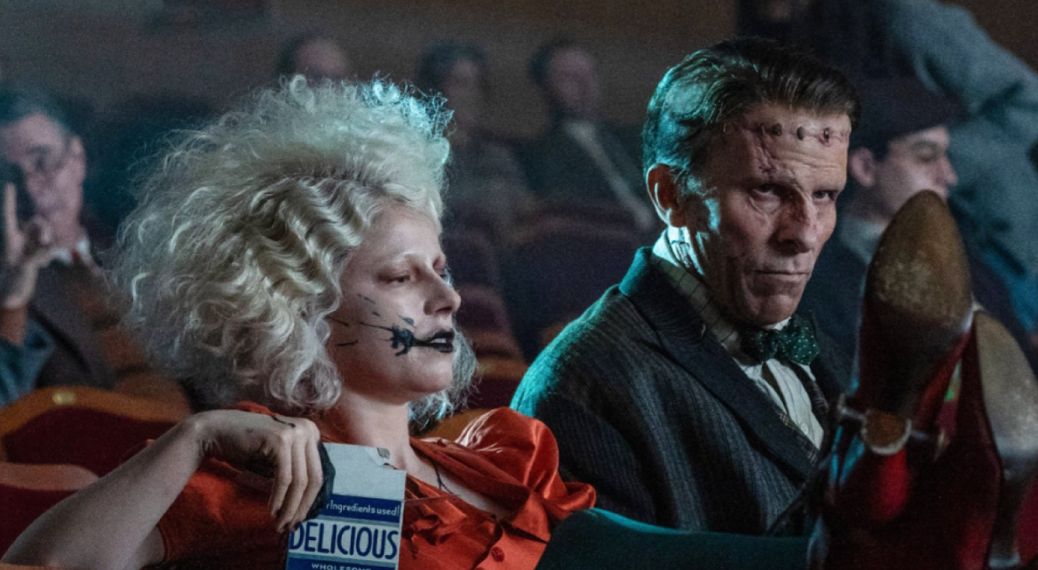
Violence in The Bride! extends beyond those early moments. Gyllenhaal sees the film as an examination of how violence is perceived, especially when a woman fights back.
“I’m kind of interested in violence, as you can tell in the movie,” she explains. “I’m surprised sometimes by the response to the violence; people are like, ‘It’s a lot.'”
One moment that has drawn particular reaction takes place during a tense party scene when the Bride shoots a police officer. Gyllenhaal described how she intentionally focused on the emotional aftermath.


“I wondered if [people’s strong reaction to the violence] was because she shoots this cop in the ballroom and I have a slow motion closeup of this beautiful face — him looking down at the gunshot wound, then he looks up at her,” Gyllenhall reflects. “He had no idea that that’s what was coming, and she didn’t mean it, either. It’s the horror of violence — then you feel it more.”
Her intention, she says, is to keep violence grounded in human consequences.
“It’s the opposite of the stormtrooper thing, right? Where everyone has no face, so you can just shoot them and you don’t really care,” she says. “I want the violence to be very connected to humanity and to humans and to see the faces of the people that are killed and what they feel about it. And that’s, I think, what makes it hard to watch.”
The film also questions how audiences interpret revenge. When Frankenstein retaliates against attackers, the response feels familiar. When the Bride acts with similar force, viewers react differently.
“Those guys come after the Bride — maybe they’re going to rape her — and Frankenstein smashes their heads in,” Gyllenhaal says. “We’ve seen that before. We’re all good with that. He’s a hero. When she does it, I think it’s harder for people. I really do.”
She adds, “It’s very complicated. The message of the movie is not violent revenge is the answer. It’s the opposite of that.”
Early reviews remain mixed, though many critics have singled out Buckley’s performance for praise. Fresh off an Oscar nomination for Hamnet, Buckley brings fierce intensity to the role, anchoring a film that refuses to look away from its darkest themes.