What's Inside?
- Chris Hemsworth reveals how sharing his Alzheimer’s risk challenged his fears, reshaped public perception, and deepened conversations around silent illness.
- Through a deeply personal documentary with his father, Hemsworth found healing, awareness, and a new way to confront memory loss.
- Choosing family over constant momentum, Hemsworth slowed his career pace, embracing presence, perspective, and life beyond blockbuster schedules.
Less than four years after he first shared a deeply personal health revelation, Chris Hemsworth is speaking with rare clarity about fear, choice, and the quiet shifts that now guide his life. The global action star has long been known for playing invincible heroes, but his latest reflections show a man learning to sit with uncertainty rather than outrun it. In a candid conversation, Hemsworth explains why revealing his genetic risk for Alzheimer’s once felt dangerous, how family reshaped his thinking, and why slowing down has become an act of intention rather than retreat. His story is not about an alarm. It is about awareness, honesty, and time.
Chris Hemsworth and the Fear of Being Seen Differently
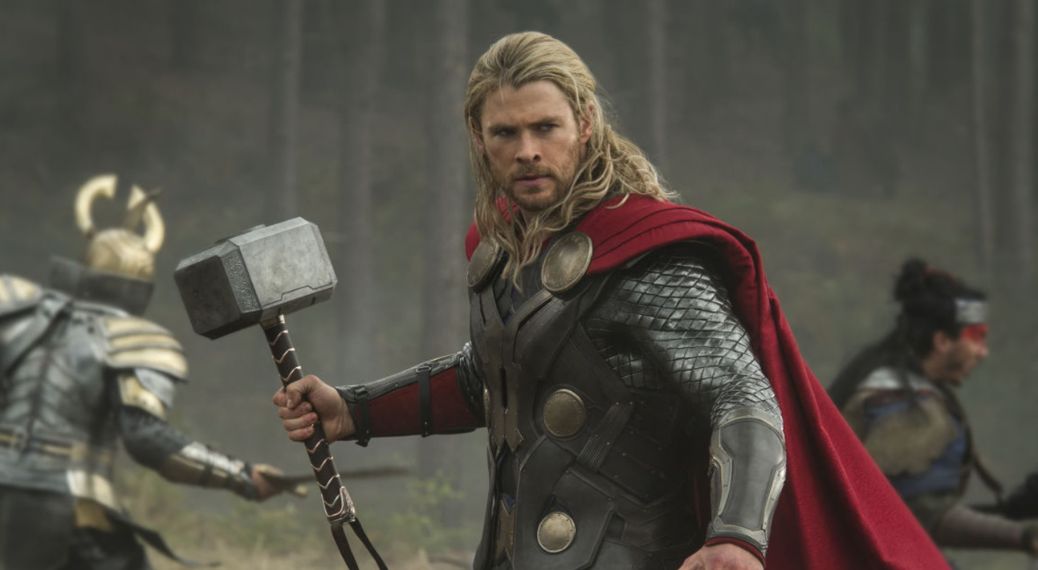
When Chris Hemsworth learned he carried two copies of the APOE4 gene, linked to a higher risk of Alzheimer’s, the news landed heavily. At the time, he was filming Limitless With Chris Hemsworth, a National Geographic series that pushed him to test the limits of his body and mind. Going public with that information, however, felt like another kind of risk. Not physical, but professional.
“I wondered if I was letting people too far in,” Hemsworth said. “Are they no longer going to believe in the action star or the Marvel character? And do I want people to know my fears and insecurities to this level?”
For an actor whose career depends on audience belief, the concern was real. Hemsworth worried that vulnerability might weaken the on-screen myth. Yet the response surprised him. Instead of shrinking his image, the honesty widened it. People began to see not just Thor, but the man behind the hammer. The experience also changed how he viewed silence around illness, especially diseases people prefer not to name out loud.
“People like to pretend it’s not happening, because it’s so uncomfortable for them, so you suffer in silence,” the Blackhat star said. “People talk to you about the footy, and the weather and stuff, and no one actually says, ‘How are you doing? Are you scared? Are you afraid?’”
Chris Hemsworth, Family, and Choosing to Slow Down
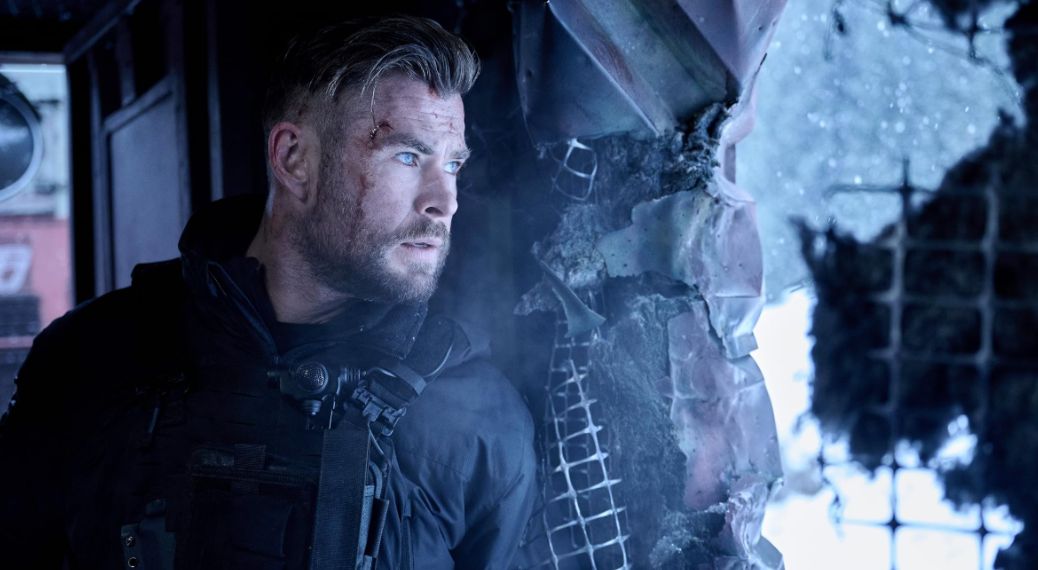
The most profound shift came through family. Chris Hemsworth’s father, Craig, was diagnosed with Alzheimer’s, leading to another documentary, Chris Hemsworth: Road Trip to Remember. The project was not designed for headlines. It was personal, raw, and shared between father and son.
“It was so deeply personal,” Hemsworth said of the documentary. “It was a love letter to my father. It empowered him for a period, and stimulated memories that were being taken away from him.”


Watching his father’s struggle, while raising children of his own, reframed time. Hemsworth began to notice moments that once slipped by unnoticed. Bedtime routines. Shared mornings. The small rituals that do not repeat forever.
“My appetite for racing forward has really been reined in,” he said. “I’ve become more aware of the fragility of things. You start thinking, ‘My dad won’t be here for ever.’ And my kids are now 11 and 13. Those nights where they’d fight over sleeping in our bed – suddenly they’re not happening any more.”
Despite speculation, Hemsworth has been clear that his decision to step back was not driven by fear of his own diagnosis. “I decided to take some time off because I was exhausted, and I wanted to be home with my family,” he said. “It was interesting, because those two headlines got coupled together, that I was taking time off because of the genetic predisposition to Alzheimer’s.”
What remains is perspective. “That experience and that show made me go, ‘Oh, wow, none of us are invincible,’” he reflected. “It kind of slams you into the moment.”
For Chris Hemsworth, strength now looks different. It sounds quieter. And it is rooted not in denial, but in presence.