What's Inside?
- Marvel turns Avengers: Doomsday trailers into theatrical events, sustaining hype weekly and reclaiming cinemas as the center of fandom culture.
- Four exclusive teasers attached to Avatar: Fire and Ash create scarcity, spark discussion, and extend anticipation across the holiday season.
- Marvel balances mystery and emotion, revealing little footage while driving online chatter and positioning the film as a cultural milestone.
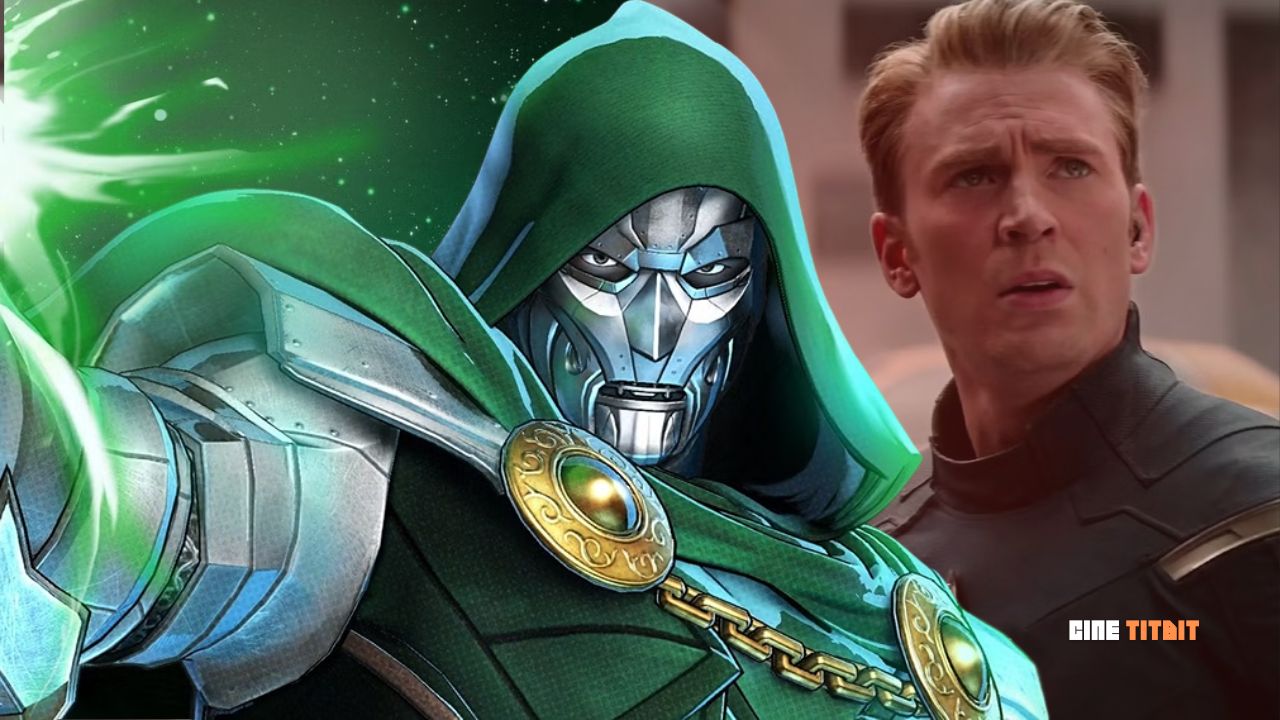
Marvel Studios has learned, sometimes the hard way, that attention is its most valuable currency. With Avengers: Doomsday, the studio is no longer chasing quick clicks or overnight trends. Instead, it is slowing the pace and stretching anticipation in a way Hollywood rarely attempts. A year before release, Marvel is turning trailers into events, not uploads. This shift signals confidence, patience, and a deep understanding of how fans engage today. At a time when franchises struggle to feel special, Avengers: Doomsday is being framed as something worth waiting for, talking about, and returning to theaters to experience together.
Avengers: Doomsday Trailer Strategy Turns Hype Into a Month-Long Event
Marvel’s decision to release four exclusive teasers across four weeks is not just bold. It is calculated. Each trailer attached to Avatar: Fire and Ash ensures a massive, captive audience that already values the theatrical experience. Instead of one explosive moment online, Marvel creates a sustained rhythm. One teaser sparks debate. The next deepens curiosity. The third fuels theories. The fourth locks attention in place.
This approach changes how hype behaves. Normally, a trailer peaks fast and fades just as quickly. Here, conversation resets every week. Social platforms thrive on fresh material, and Marvel feeds that cycle without revealing too much. Fans argue, speculate, and rewatch grainy descriptions from those who saw the teaser first. Scarcity does the work marketing once did.
Timing strengthens the plan. December has long been a proving ground for cinematic giants. Films released during the holiday season benefit from repeat viewings, family outings, and a sense of occasion. By tying Avengers: Doomsday teasers to one of the biggest releases of the decade, Marvel borrows gravity from a proven box office force. The result is two cultural engines running side by side.
This also reclaims theaters as the heart of fandom. In an era shaped by instant streaming, Marvel asks fans to show up. That choice builds value. Seeing a teaser becomes a reason to buy a ticket, not just scroll a feed. Industry watchers note that this kind of exclusivity can spark stronger word-of-mouth than any viral post.
Avengers: Doomsday Teases Fuel Curiosity without Giving the Story Away
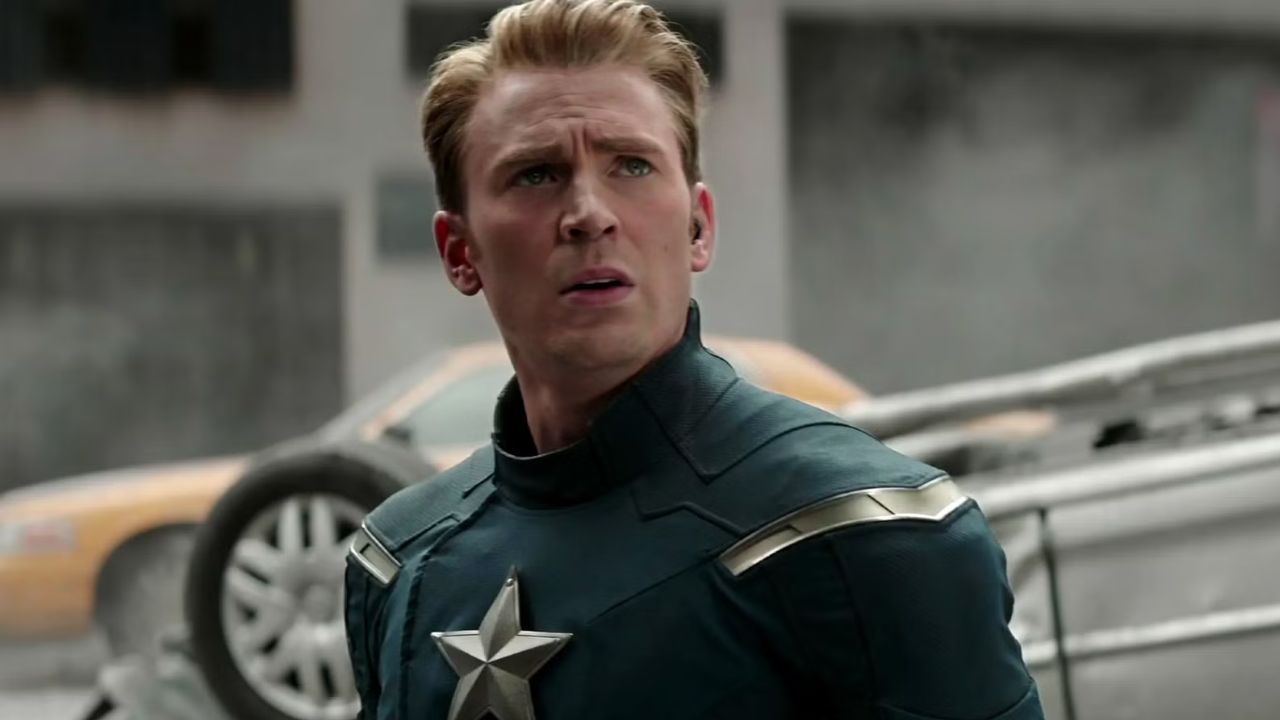
What makes this rollout smarter is restraint. The first teaser focused on mood, not spectacle. Chris Evans moving quietly through his home, pausing before a familiar suit, holding his young child. No battles. No villains. Just emotion and memory. That choice signals confidence in character over chaos.
By keeping each teaser short and selective, Marvel avoids burning its biggest reveals too early. Roughly four minutes of footage across a month is enough to hook interest while protecting the film’s core surprises. Fans are left wanting, not satisfied. That hunger matters.


This campaign builds on recent proof that Marvel can still command attention at scale. Robert Downey Jr.’s casting as Doctor Doom dominated headlines. A five-hour cast reveal livestream pulled in 275 million views. These were not accidents. They were signals that Marvel understands spectacle when it commits fully.
The theatrical-only window also reframes patience as part of the fun. Fans who cannot see the teaser immediately rely on descriptions, reactions, and theories. Discussion grows organically. When the previews finally arrive online, they land in an already primed audience.
There is risk, of course. Low-quality leaks may surface. Some fans may feel left out. Yet Marvel seems willing to accept that tradeoff. The studio is betting that shared anticipation beats instant access. It is a bet rooted in experience and audience insight.
Ultimately, this strategy positions Avengers: Doomsday as more than another sequel. It becomes a slow-burn cultural moment. Marvel is not shouting for attention. It is inviting fans back into the ritual of waiting, wondering, and watching together. The message is clear and deliberate. “Patience, as a wise superhero once said, is key.”