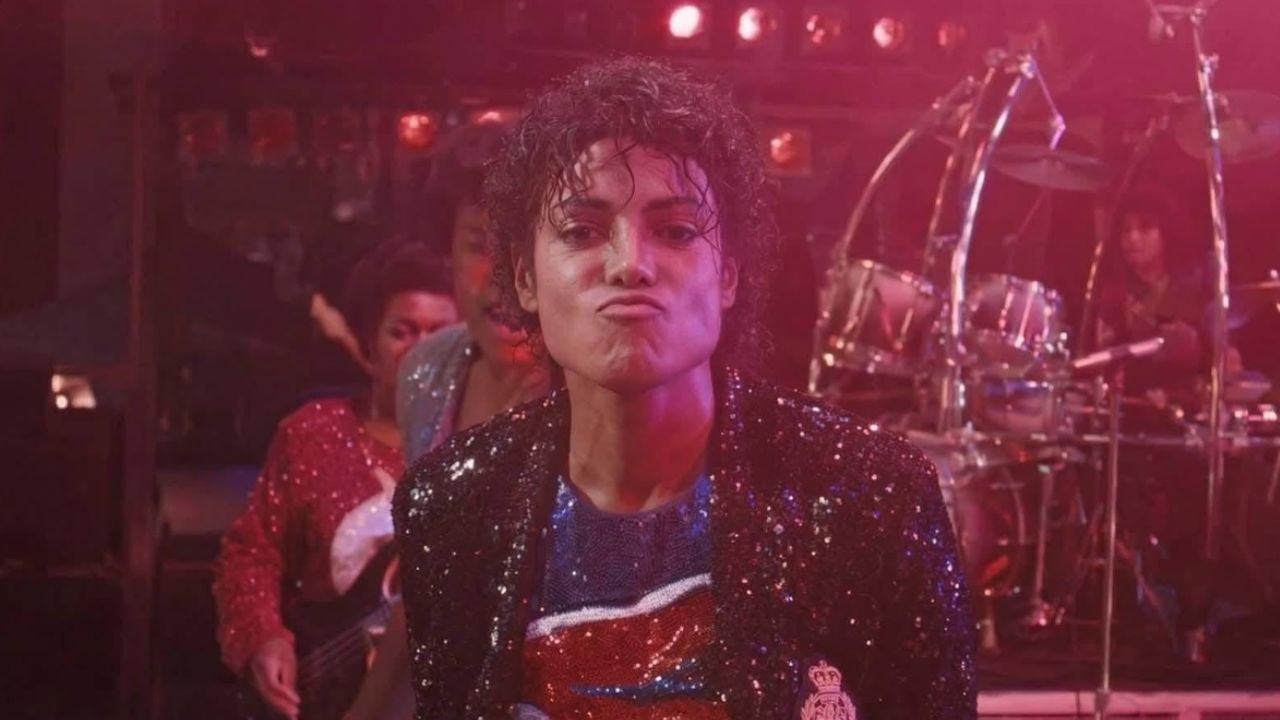
The countdown to Michael is almost over, and with it comes a wave of curiosity, admiration, and quiet controversy. The film, directed by Antoine Fuqua, promises an intimate look at the life of Michael Jackson, tracing his rise from a gifted child performer to a global icon. Yet even before its release, the biopic has sparked conversation for who it includes and, just as importantly, who it leaves out. Among the most talked-about omissions is Janet Jackson, whose absence has raised questions among fans eager for a complete portrait of the legendary family.
Why Didn’t Janet Jackson Feature in Michael?
At the film’s Hollywood premiere on April 20, La Toya Jackson addressed the question directly, offering a simple and measured explanation. “I wish everybody was in the movie,” she said. “She was asked and she kindly declined, so you have to respect her wishes.” It was a brief answer, but one that carried weight. For a family that has long lived in the public eye, the decision underscored a boundary that even a major studio production chose not to cross.
Fuqua echoed a similar sentiment, making it clear that respect for the family guided the filmmaking process. He noted his admiration for Janet and expressed a desire to keep the family “happy” with the final product. It is a careful balancing act. Telling the story of someone as complex and scrutinized as Michael Jackson means navigating both legacy and personal truth, often with differing perspectives within the same family.
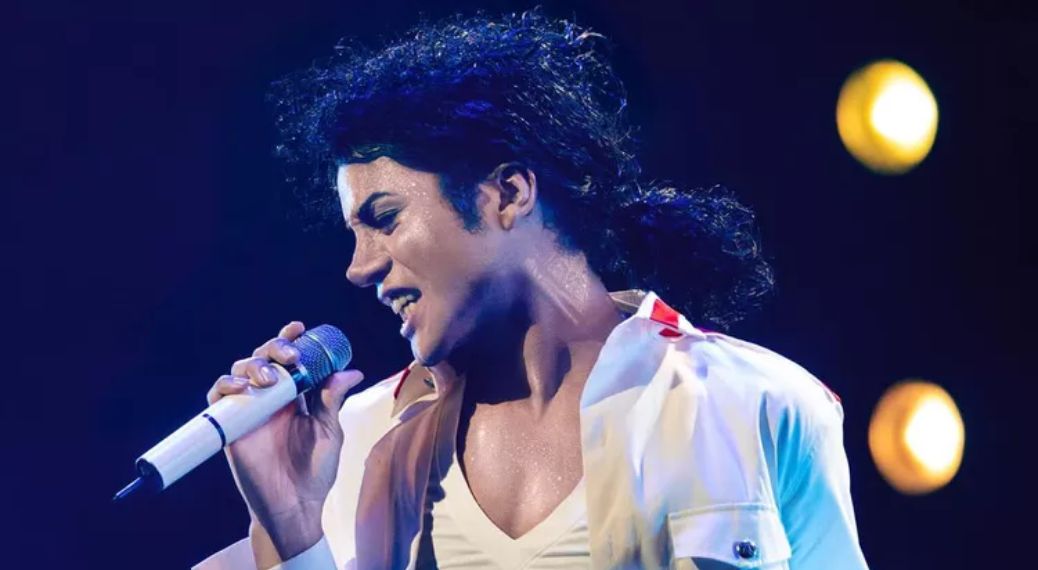
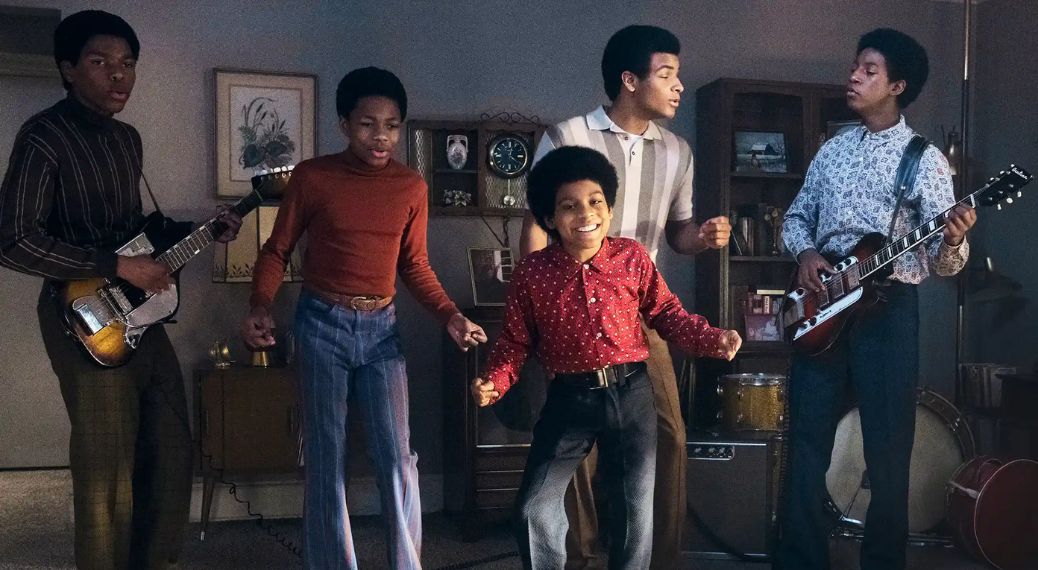
Michael does include several key figures. Jaafar Jackson, Michael’s nephew, steps into the lead role, while Colman Domingo and Nia Long portray Joe and Katherine Jackson. La Toya herself appears on screen, played by Jessica Sula. The focus remains on Michael’s early years and the defining moments that shaped his career up to the late 1980s.
Did Janet Jackson Criticise the Michael Biopic?
Speculation around Janet’s absence quickly turned into rumors of deeper tensions. Reports suggested disagreements within the Jackson family following a private screening. One claim alleged that Janet reacted strongly to the portrayal, reportedly saying, “No! This is horrible. They are doing a disservice.” However, La Toya firmly pushed back on any narrative of conflict. “There was absolutely no problem whatsoever,” she insisted. “None whatsoever, and please believe that.” Her response aimed to draw a line between rumor and reality, even as public curiosity continued to grow.
The conversation does not end there. Paris Jackson, Michael’s daughter, has also voiced concerns about the film’s direction. She has been open about her limited involvement and dissatisfaction with how certain elements were handled. “The film panders to a very specific section of my dad’s fandom that still lives in the fantasy. And they’re going to be happy with it.” Her words reflect a more critical stance, one that questions whether the film leans too heavily toward a polished version of events.
Even so, the broader family presence at the premiere told its own story. Members including Jermaine Jackson, Jackie Jackson, and Marlon Jackson showed their support, while Michael’s sons Prince and Bigi are involved behind the scenes as executive producers. Their participation suggests a level of endorsement, even as differing opinions remain part of the conversation.


Early reactions to Michael hint at a familiar challenge faced by music biopics. They must entertain, honor, and interpret all at once. Yet one element appears to stand out. Jaafar Jackson’s performance has drawn strong praise, with La Toya offering a heartfelt endorsement: “Oh my gosh, I have to tell you that Jaafar was absolutely fabulous. I’m sure you’ve seen the movie and you know how wonderful he is, how we all forget and think that we’re watching Mike. It’s like, ‘Oh, I forgot this is Jaafar’.”
That sense of transformation may ultimately define the film’s reception. Whether audiences focus on what is included or what is missing, Michael arrives carrying both expectation and scrutiny.