
What's Inside?
- Kelly Clarkson announces the end of her daytime talk show, choosing family over a daily schedule after seven celebrated seasons.
- The Emmy-winning series leaves a powerful legacy through Kellyoke, emotional storytelling, and a rare connection with audiences nationwide.
- Clarkson confirms this is not goodbye, as she continues music projects and future appearances on The Voice.
The Kelly Clarkson Show is ending after seven seasons, closing the curtain on one of daytime television’s most joyful and emotionally resonant runs. Kelly Clarkson confirmed the decision on Monday, Feb. 2, sharing a heartfelt statement that blended gratitude, reflection, and resolve. The announcement marks the end of an era that reshaped syndicated talk TV through music, empathy, and unfiltered warmth. While the show will continue airing through Fall 2026 with special guest hosts, Clarkson’s choice to step away signals a deeply personal turning point. It is not a retreat from creativity, but a recalibration of priorities at a moment when life has demanded clarity, courage, and care.
Why The Kelly Clarkson Show is Ending after Seven Seasons

For Kelly Clarkson, the decision was rooted in family and timing, not ratings or relevance. In her own words, she made it clear that this was a choice shaped by gratitude as much as necessity.
“I have been extremely fortunate to work with such an outstanding group of people at ‘The Kelly Clarkson Show,’ both in Los Angeles and New York,” Clarkson, 43, wrote. “There have been so many amazing moments and shows over these seven seasons. I am forever grateful and honored to have worked alongside the greatest band and crew you could hope for, all the talent and inspiring people who have shared their time and lives with us, all the fans who have supported our show and to NBC for always being such a supportive and incredible partner.”
View this post on Instagram


She followed that reflection with the core reason behind her exit. “This was not an easy decision, but this season will be my last hosting ‘The Kelly Clarkson Show,’” she wrote. “Stepping away from the daily schedule will allow me to prioritize my kids, which feels necessary and right for this next chapter of our lives.”
That chapter arrives after a period of personal loss. Clarkson shares daughter River Rose, 11, and son Remington Alexander, 9, with her late ex-husband, Brandon Blackstock, who died in August following a battle with cancer. Against that backdrop, her choice carries weight beyond television logistics. It reads as an act of presence.
The Legacy of The Kelly Clarkson Show and What Comes Next
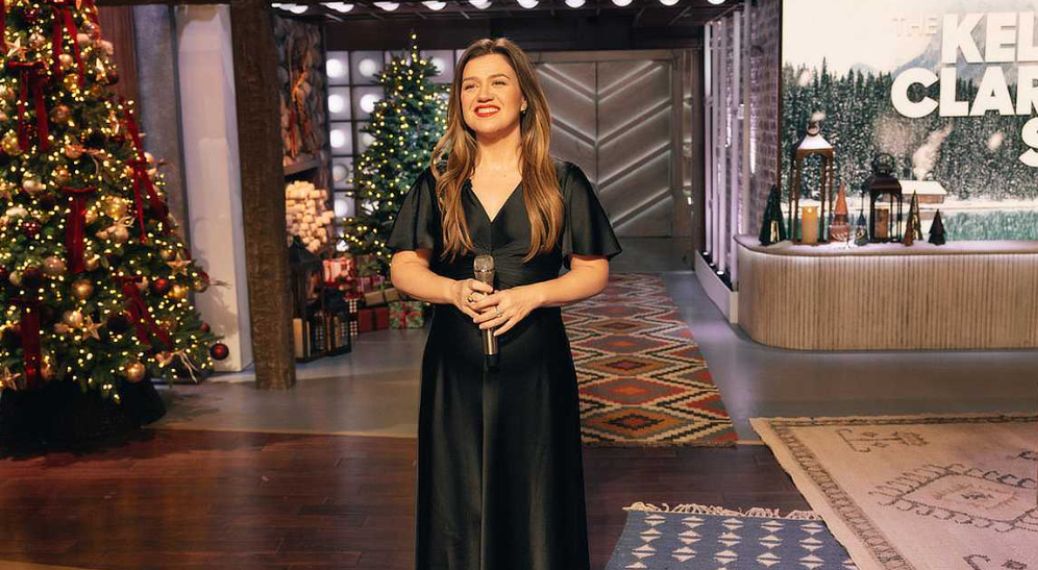
Since its 2019 debut, The Kelly Clarkson Show has stood apart by balancing celebrity with sincerity. Its signature Kellyoke segment became a cultural fixture, often credited with “The Kelly Clarkson Effect,” where familiar songs found new emotional depth through her voice. The format worked because Clarkson never performed above the audience. She performed with them.
Industry recognition followed. The show earned 24 Daytime Emmy Awards, including four straight wins for Outstanding Daytime Talk Series and Outstanding Talk Show Host. It also collected honors from the People’s Choice Awards, Gracie Awards, Webby Awards, and more, while building a massive digital footprint with billions of annual views.
NBC executives echoed that impact. “‘The Kelly Clarkson Show’ has been an extraordinary collaboration,” said Tracie Wilson, Executive Vice President, Syndication Studios. “Her warmth, quick sense of humor, and connection with people created a show that made fans feel seen, heard, and a little bit better about their day.”
Clarkson has been clear that this is not a farewell to the spotlight. “This isn’t goodbye,” she shared. She will continue making music, performing live, and appearing on The Voice. The daily grind may be ending, but the artist remains very much in motion.
For now, The Kelly Clarkson Show moves toward its final bow with intention, gratitude, and grace. Seven seasons in, it leaves behind more than awards. It leaves a standard for what daytime television can be when heart leads the conversation.