What's Inside?
- Hawkins transforms into a haunting militarized quarantine zone, reflecting characters’ emotional scars while deepening narrative purpose and raising dramatic stakes.
- Will finally gains agency, turning his connection to the Upside Down into a weapon, foreshadowing possible sacrifice and poetic symmetry.
- Explosive action sequences blend 80s homage with thoughtful storytelling, balancing genre nostalgia and contemporary emotional depth for a memorable Season 5.
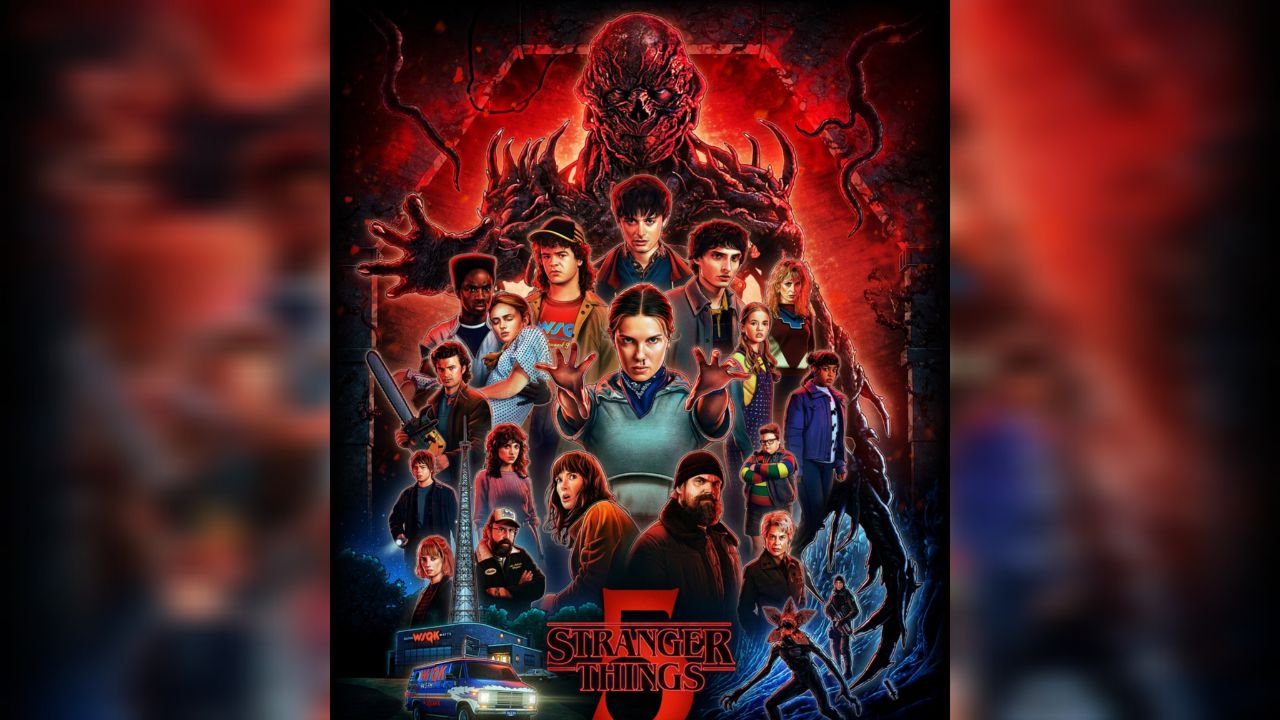
Stranger Things isn’t just finishing, it’s building toward a finale that feels sweeping, emotional, and earned. The first half of season 5 doesn’t simply tease the end; it deepens the characters, elevates the stakes, and makes it clear that the final chapters could deliver Netflix’s most unforgettable conclusion yet. Fans can feel that something monumental is coming.
The Return to Hawkins Delivers a Richer Emotional Weight and True Narrative Purpose
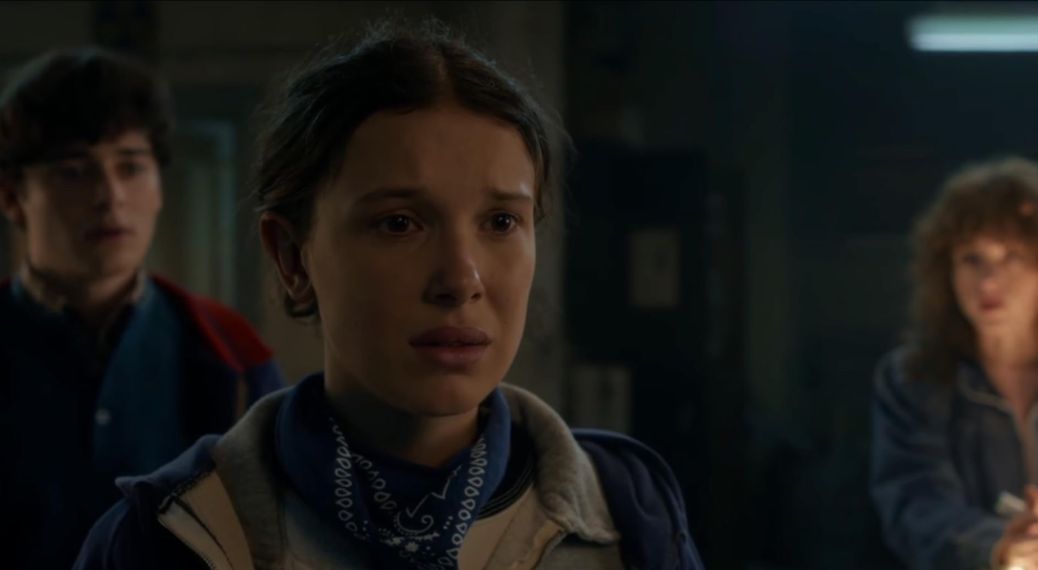
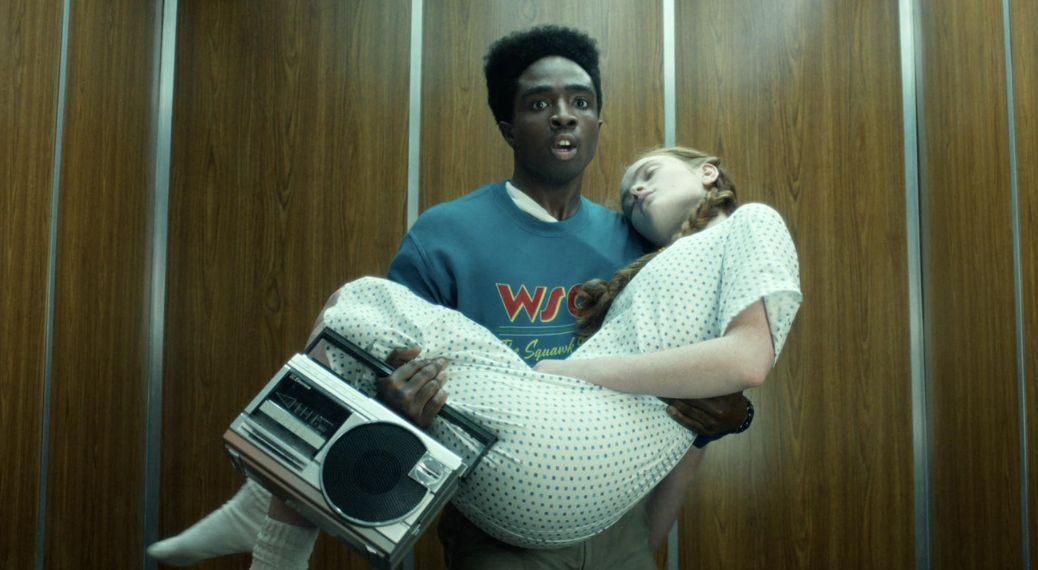
Rather than spending time re-explaining the past, the first four episodes of Stranger Things Season 5 trust the audience. We’re dropped into Hawkins now transformed into a militarized quarantine zone, a haunting image of a town abandoned and scarred. This isn’t just for spectacle; it’s a visual reflection of the characters themselves. Steve, Dustin, Eleven, Will, every one of them carries visible emotional damage. For instance, Dustin wearing Eddie’s “Hellfire Club” shirt isn’t nostalgia bait, it’s unresolved grief manifesting in his identity.
The pacing is patient, deliberately investing time into these reunions and character arcs. This isn’t filler, it’s emotional calibration before the real storm hits. It’s what makes this season feel like a farewell tour while still pushing forward.
View this post on Instagram

Will’s Transformation Finally Brings Long-awaited Payoff and Poetic Symmetry

Since Stranger Things season one, Will has been the fragile one, the traumatised boy, the one acted upon rather than acting. Now, we finally see him step into the agency. His connection to the Upside Down becomes a weapon rather than a curse. When “his eyes turn white, and he practically crumbles the monsters the same way Vecna crumbled his victims in season 4,” it signals the thematic reversal viewers have waited for. Will isn’t prey anymore, he’s a counter-force.
This twist doesn’t just introduce new powers, it creates a potentially tragic dramatic binding: the possibility that killing Vecna may cost Will his own life. The series isn’t subtle about foreshadowing sacrifice.
Bigger Stakes, Bigger Action, and Surprisingly Thoughtful 80s Homage
The explosive Demogorgon attack sequence and the return of Kali electrify the season, but what sets this apart from other shows is how it embraces purposeful cheesiness. Yes, certain 80s-style logic gaps exist, but that’s intentional; the Duffers are authoring with genre literacy. Think Spielberg-meets-Carpenter-meets-King, filtered through contemporary storytelling sophistication.
Stranger Things Season 5’s first half doesn’t try to out-cool season 4, it tries to out-feel it. The concluding episodes could cement Stranger Things as one of television’s rare finales that actually sticks the landing. The question now is not whether the ending will be big, but whether it will be devastating in the way great endings should be.