What's Inside?
- The Duffer Brothers chose A Wrinkle in Time for season five because its themes mirror Holly Wheeler’s fear, courage, and hidden strength.
- The creators nearly used The Polar Express, but darker tone, age fit, and Mr. Whatsit’s menace made the final choice.
- Jamie Campbell Bower built Mr. Whatsit as a new presence, blending childhood terror, honesty with young actors, and emotional intensity.
A Wrinkle in Time plays a major role in Stranger Things fifth and final season, but the creators almost went with an entirely different story.
The final chapter of Stranger Things leans into something deeper than monsters and jump scares. It reaches back to a book that shaped childhood imaginations long before Hawkins existed. By placing A Wrinkle in Time at the heart of season five, the Duffer Brothers turn a beloved sci-fi novel into a thematic compass. The choice feels deliberate, emotional, and personal. It also almost did not happen. What viewers see now is the result of instinct, memory, and a creative risk that reshaped the tone of the show’s endgame.
Why A Wrinkle in Time Became the Emotional Blueprint for Stranger Things season 5
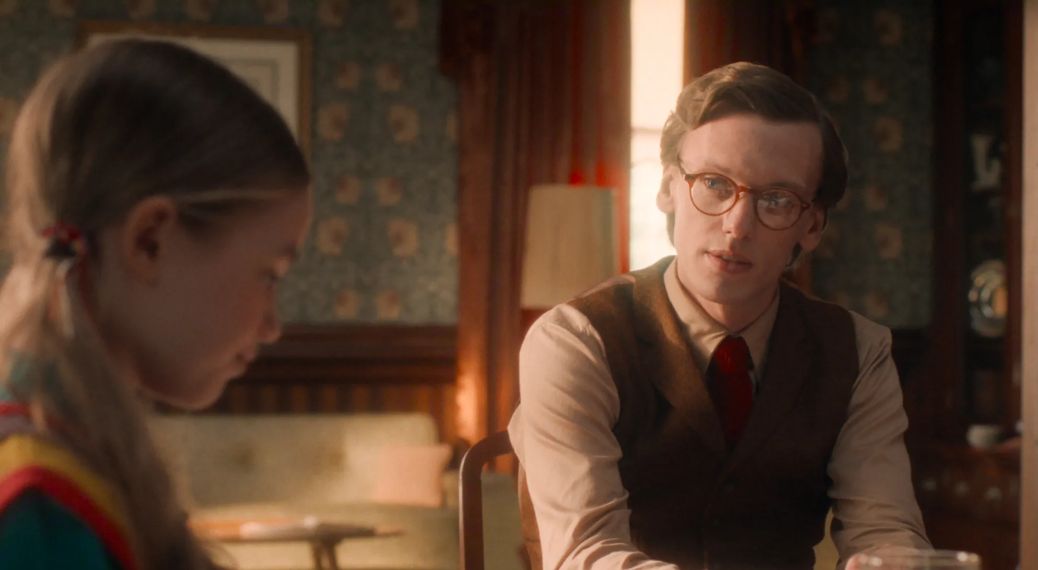
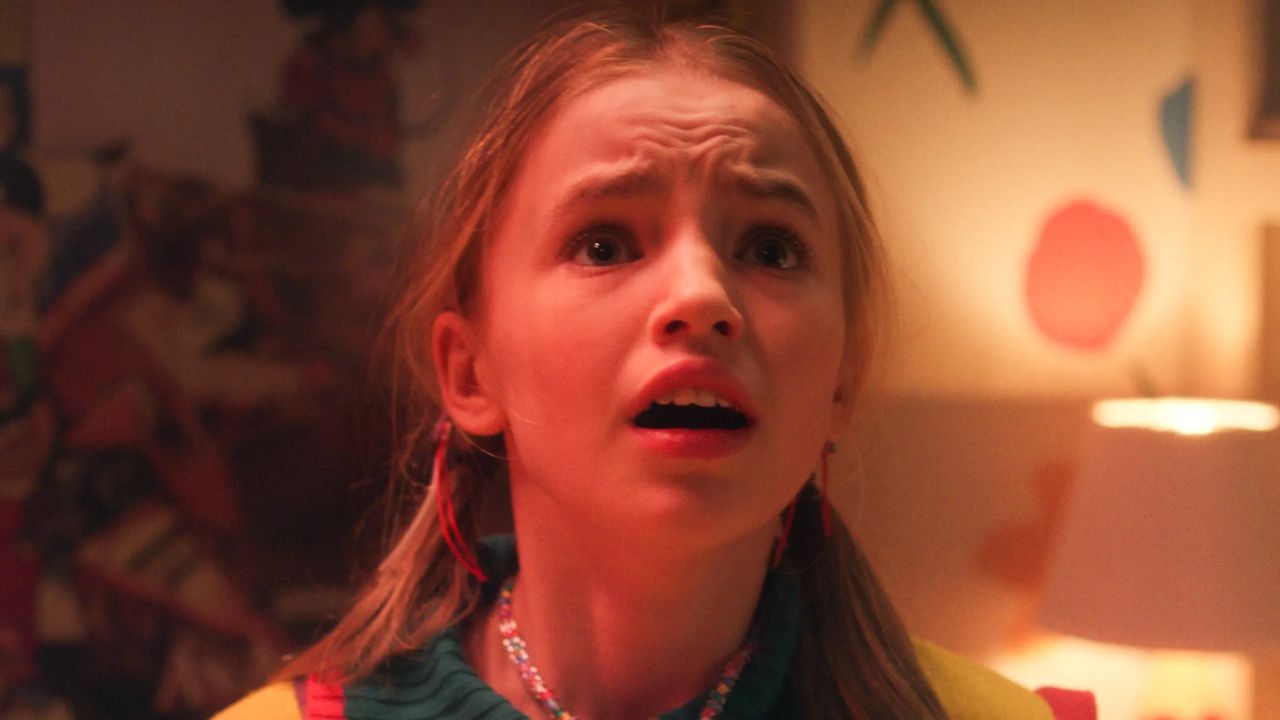
Madeleine L’Engle’s classic appears early as young Holly Wheeler reads it in school. Soon, fiction begins to blur with fear. Mr. Whatsit steps off the page, warning children about monsters and hidden strength, echoing Meg Murry’s journey. In Volume 2, the parallels deepen when the threat facing Hawkins is likened to the book’s “black thing.”
Matt Duffer explains why the novel fit so naturally. It “was a staple of our childhood and something that we read when we were around Holly’s age, and it had an impact on us.” He adds, “So one [reason why we chose it] was, we believed that she was going to be reading it in school. And two, it had some really nice parallels, we thought, in terms of the story we had planned for Holly.” (PEOPLE)
Yet the path here was not direct. Ross Duffer reveals, “It was originally The Polar Express in the early scripts. And he was going to be the conductor, not Mr. Whatsit, but then we realized the book was a little too young.” Matt agrees, noting, “Mr. Whatsit sounds cooler and creepier.”
Had they stayed with that idea, Jamie Campbell Bower would have worn a conductor’s cap and whisked Holly away “on a train” to the North Pole. “The initial idea could’ve worked,” Ross admits. But the brothers trusted their gut. The darker tone of A Wrinkle in Time better served a season built on dread, courage, and growing up fast.
How Childhood Fears, Mr. Whatsit, and Holly Wheeler Reshape the Final Season of Stranger Things
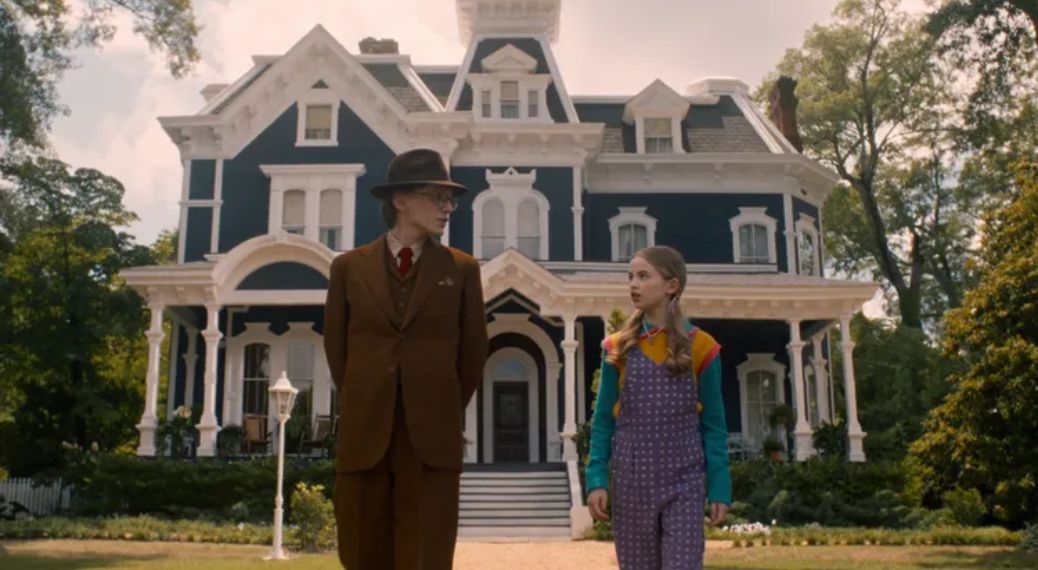
That darkness extends to how the Duffers treat their youngest characters. Holly and her classmates are pulled into danger early, and the creators embrace it with a knowing smile. “As you know, if you’ve seen the show, we love putting children in danger,” they joke. Matt adds, “Our cast is mostly grown up now, but we’re like, ‘Well, now we have this new child, so let’s just put her in continual danger.’ There was never any doubt in our minds that we were going to do that.”

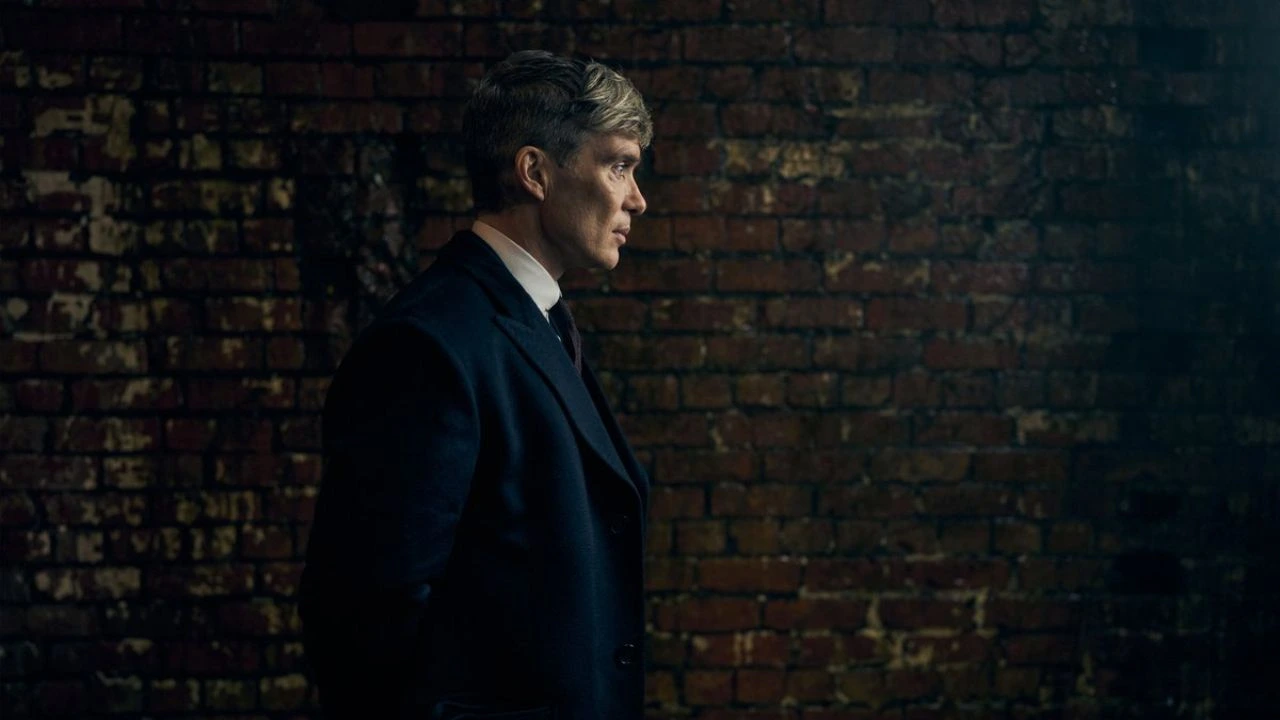
Their own childhood fears fuel this approach. “We loved scaring ourselves, we loved the IT miniseries,” Matt says. “Those kids were getting terrorized by an interdimensional being, Pennywise. So I don’t know, I think that’s one reason we enjoy doing it. Either that or we’re sort of twisted, I’m not sure.”
Bower faced a different challenge. Playing Mr. Whatsit meant stepping away from Vecna. “It was a really fun experience, but it was also one that I was quite scared of as well, because I didn’t necessarily see Whatsit in Henry,” he says. “They’re not really the same, so it definitely felt like I was building something new.” Acting alongside children raised the stakes further. “Children see through the bull—-. They know. They just know when you’re being real with them.”
The book’s legacy makes its presence even richer. Once rejected by 26 publishers, A Wrinkle in Time went on to win the Newbery Medal and inspire countless adaptations. L’Engle once said, “Children don’t have closed doors and windows; they have such wonderfully open minds and are always open to new ideas.” That spirit runs through Stranger Things now, as its final season closes with imagination, terror, and hope intertwined.