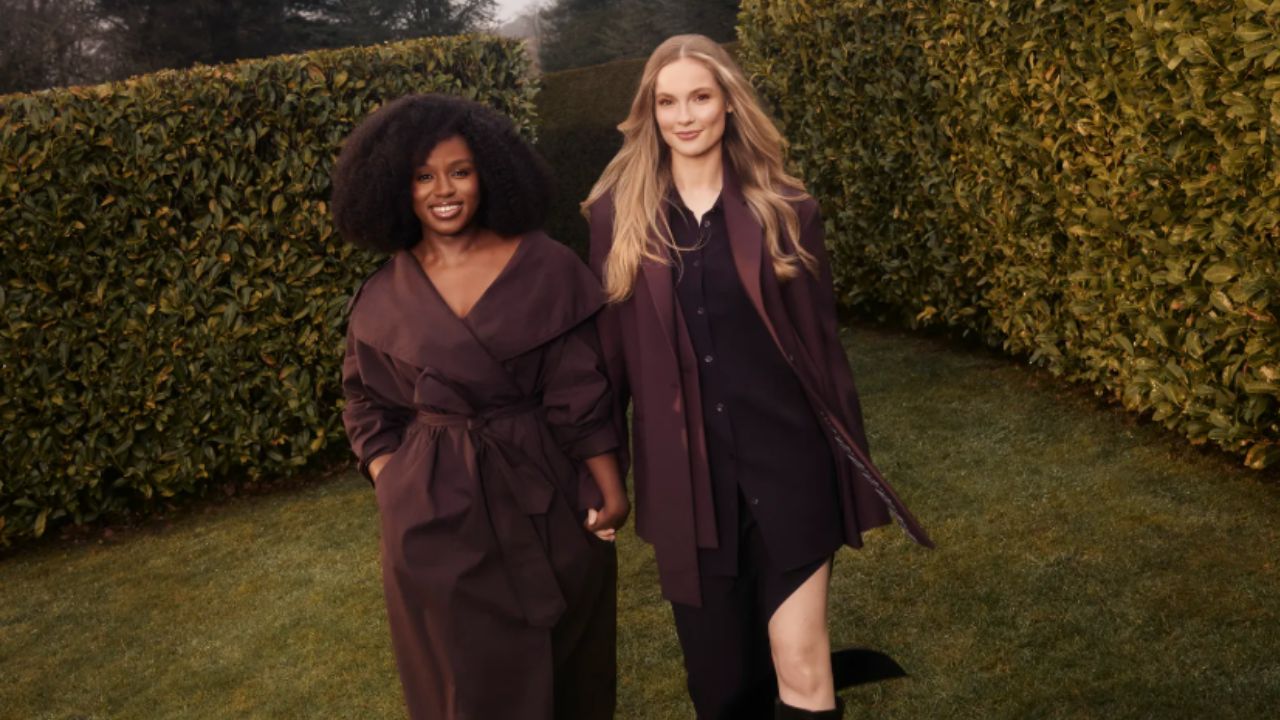
What's Inside?
- Bridgerton Season 5 shifts focus to Francesca and Michaela, introducing a central queer romance that redefines traditional Regency storytelling norms.
- The teaser hints at emotional depth as grief, desire, and identity shape Francesca’s journey two years after her husband’s sudden death.
- Netflix confirms the season is in production, promising eight episodes that explore love, loss, and passion through a fresh narrative lens.
Bridgerton has never been content with simply recreating the past. Since its 2020 debut on Netflix, the lavish period drama has steadily reshaped the rules of Regency-era storytelling, weaving in diverse casting and modern emotional beats. Now, as Season 5 moves into production, the series appears ready to take its boldest step yet. With Hannah Dodd and Masali Baduza leading the story as Francesca and Michaela Stirling, the upcoming chapter promises to center a queer romance in a way the genre has rarely attempted. A newly released teaser has already stirred anticipation, hinting at a love story shaped by grief, restraint, and the quiet pull of something undeniable.
Bridgerton Season 5: Queer Romance Takes Center Stage
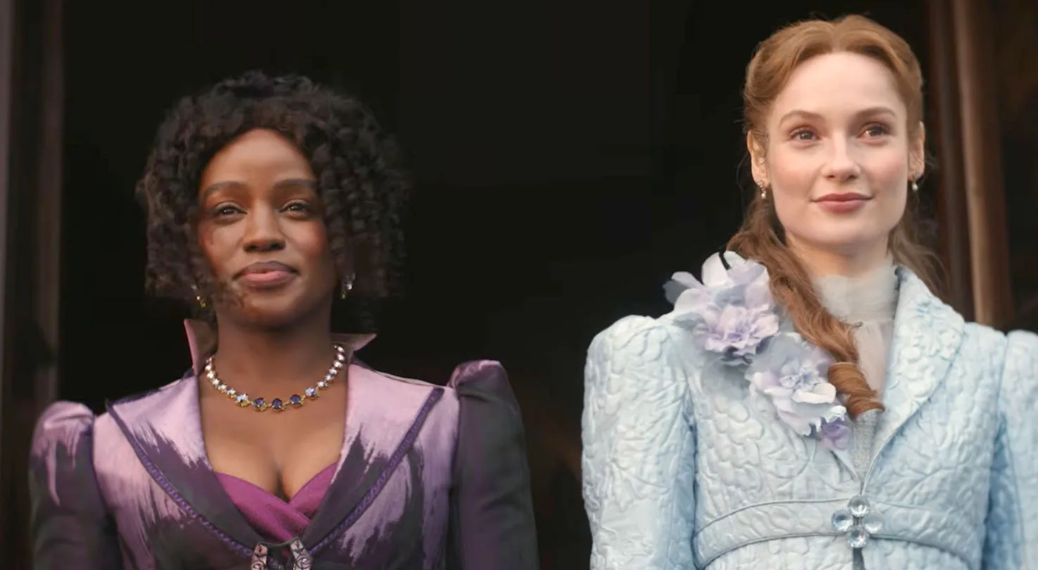
The first glimpse of Bridgerton Season 5 is simple but charged. Dodd and Baduza appear in full Regency attire, stepping onto a balcony as their hands briefly brush. It is a fleeting moment, but one that signals a deeper shift. The announcement that the season is “now in production” arrives alongside a clear narrative focus. For the first time, Bridgerton will place a queer relationship at the heart of its story.
Francesca’s journey has already been marked by loss. Her husband, John Stirling, died suddenly in Season 4, leaving her to navigate grief that lingered quietly through much of the narrative. Season 5 picks up two years later, with Francesca reentering society, driven more by practicality than passion. That sense of restraint forms the emotional backbone of what comes next.
Michaela’s return to London changes everything. Tasked with managing her cousin’s estate, she also reenters Francesca’s life at a moment when old wounds have not fully healed. The official synopsis suggests a tension between duty and desire, as Francesca finds herself torn between the safety of convention and the risk of following her feelings.
“Do not fret, dearest readers, for a certain countess shall find love again,” the company’s release reads. “Bridgerton Season 5 is now in production.”
Bridgerton Season 5’s Queer Romance Redefines the Period Drama
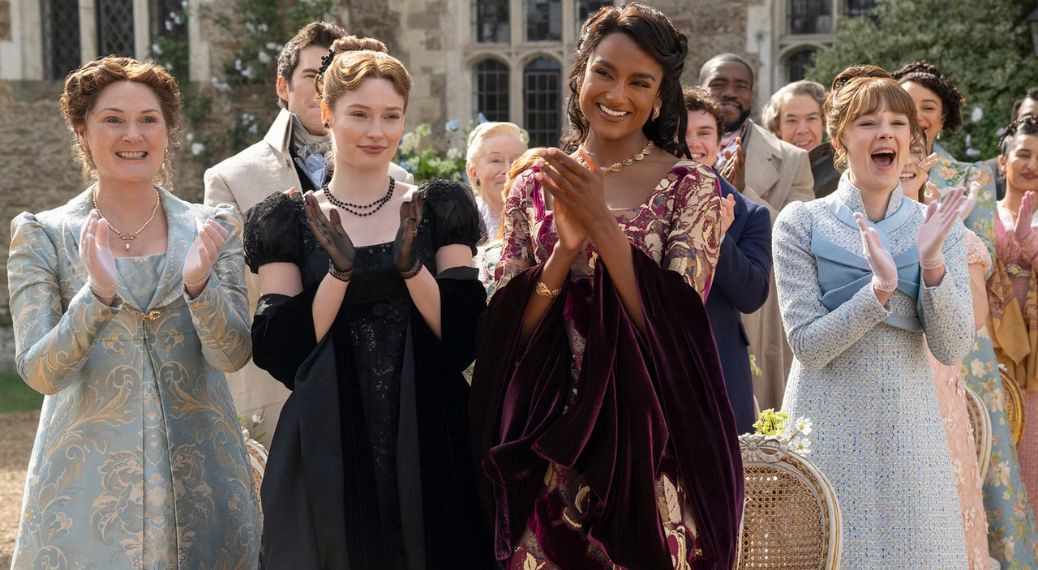
The relationship at the center of Season 5 also reflects the show’s ongoing willingness to rework its source material. Julia Quinn’s original novels introduced Michael Stirling as a male character. The series’ decision to reimagine the role as Michaela is a clear departure, one that has sparked debate among longtime readers while opening new narrative ground.

For Dodd, the significance of the story is clear. “[Queer love stories] have traditionally been excluded from things like period dramas — and queer people did exist, have always existed, and will always exist.” The line speaks to a larger shift, one that moves beyond representation as a gesture and toward something more central to the story itself.
Baduza, meanwhile, hints at the emotional depth ahead. “She’s used to having all these walls up. I’m excited to tear down those walls and have her let Francesca in. I’m excited for people to see her wanted so deeply and so badly…I’m excited for people to see Michaela yearn for Francesca,” she said.
The creative direction continues to bear the imprint of Shonda Rhimes, whose approach to storytelling has long favored layered characters and emotional complexity. Even as the series experiments, it retains a loyal following, with recent seasons earning strong critical scores and steady fan engagement.
There is still time before Season 5 arrives, and no release date has been confirmed. But the early signals are clear. Bridgerton is not just continuing its story. It is expanding what that story can be, inviting viewers into a romance that feels both timeless and newly imagined.