What's Inside?
- The DCU subtly sets up the Justice Society through legacy clues in Superman and possible references in Lanterns, pointing to a deeper, pre-existing hero history.
- A Justice Society focus allows flexible storytelling across genres, aligning with James Gunn’s vision of a diverse, creator-driven DC Universe.
- Introducing legacy heroes first builds stronger foundations, making an eventual Justice League formation feel more earned and impactful.
James Gunn’s Superman with David Corenswet created a new path for DC Studios after years of struggle. While the studio is yet to recover from the trauma of the sinking ship, Gunn’s movie with decent box office numbers showed hope for the future slates. Of course, Gunn is leading the creatives with his new vision and duty to restore the DC Universe, but the question is, will he follow Zack Snyder’s modern DC setup?
Uh, that’s very unlikely. Gunn has already teased with Superman that the new DC is going to be very different. Certainly, it has brought major upset for many rooted DC fans, but again, it is also fair ot assume that the demand for the box office grab has been blended with Gunn-esque (the same style he used in his Guardians of the Galaxy trilogy for the Marvel Studios). We now have a rather comedic appeal rather than darker and grittier narratives that aligned with the superhero brand (sort of). Now, will DC fans see more of Justice League that Zack Snyder passionately established in the previous generation of the studio? Here’s all you need to know.
James Gunn Likely To Lean Into Justice Society Of America
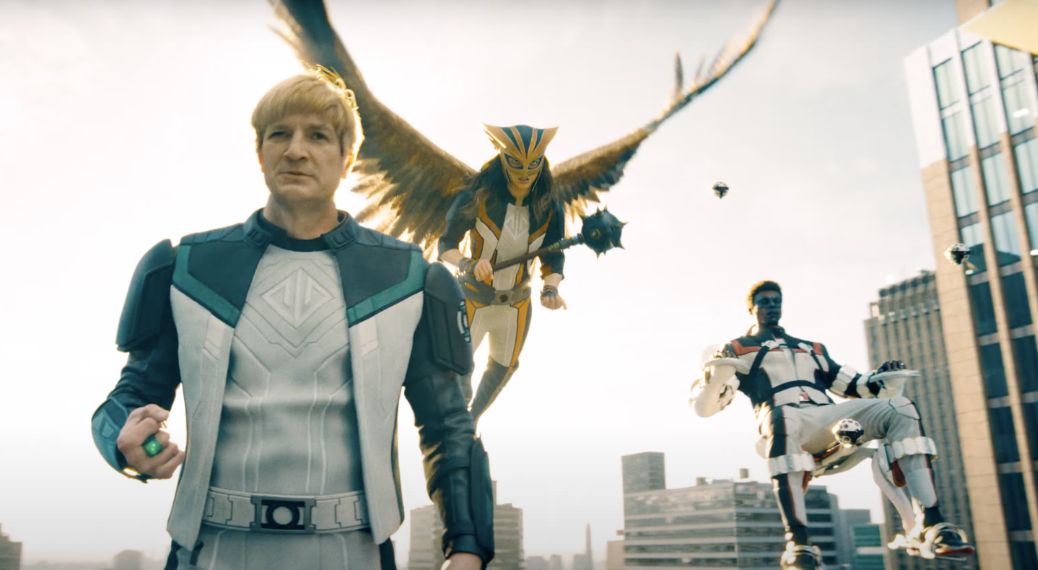
The early blueprint of James Gunn’s DCU had quiet signals that the Justice Society of America may arrive before any modern superteam. In Superman, the Hall of Justice mural does more than decorate a set. Characters like Sandman, Wildcat, Amazing Man, Liberty Belle, Phantom Lady, and Max Mercury have confirmed their place in this world without fanfare.
The choice implies that heroes existed long before the current timeline, shaping a legacy that today’s characters inherit. The Justice Society, rooted in the 1940s, fits that idea perfectly.
Speculation around Lanterns strengthens this theory. References to Alan Scott, the Golden Age Green Lantern, continue to surface. As a founding member of the Justice Society, his presence, even in passing, would anchor the team firmly in canon. It would also expand the DCU’s timeline beyond a single generation of heroes.
This approach aligns with Gunn’s storytelling instincts. Rather than introducing every character from scratch, he builds a world that already exists. Metahumans have been active for centuries, and the Justice Society could represent the first organised response to that reality. Their absence in the present timeline may not signal non-existence. It may suggest they have faded, retired, or fractured.
Why Justice Society Makes More Sense For Upcoming DC Slates
The Justice Society offers a flexibility that the Justice League does not. Where the League represents peak power and global spectacle, the Society thrives on legacy, mentorship, and quieter missions. That distinction suits the DCU’s current direction.


The upcoming slate reveals a wide tonal spread. Supergirl promises cosmic scale, Lanterns leans into grounded investigation, and Clayface explores horror. Even projects like Krypto Saves the Day! embrace a lighter, younger audience. This range reflects Gunn’s belief that each story should stand on its own terms rather than follow a single formula.
Certainly, a Justice League introduction demands convergence. It pulls narratives toward one central event. The Justice Society allows the opposite. It supports fragmentation. Stories can unfold across time, genres, and perspectives while still connecting through shared history.
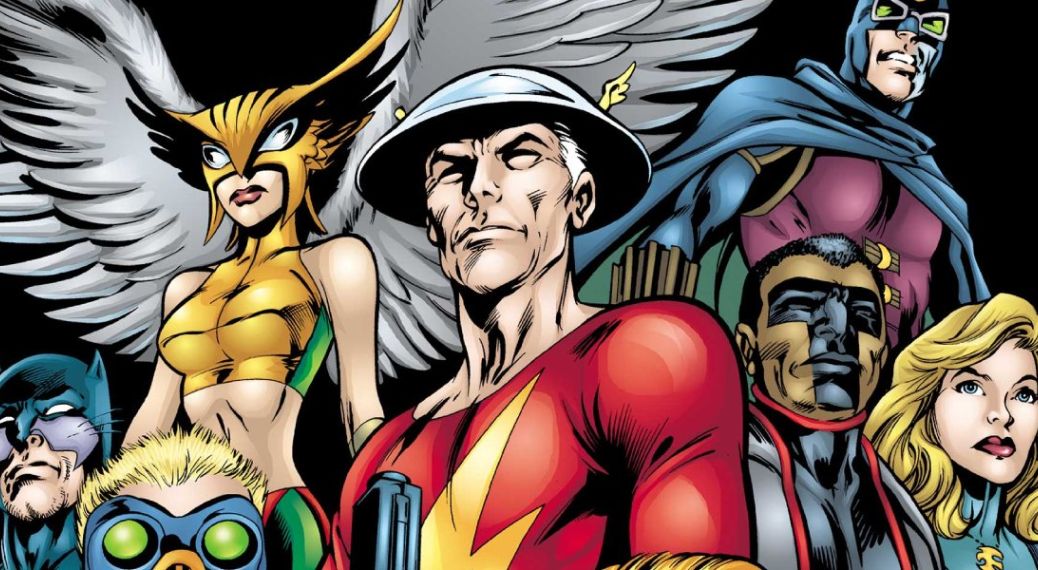
There is also a character advantage. Figures like Hawkgirl and Mr. Terrific, already introduced, have strong ties to the Justice Society in the comics. They can evolve into leaders who revive or redefine the team for a new era.
Past DC projects have touched on the Justice Society, from Legends of Tomorrow to Stargirl and even Black Adam. None has fully explored its potential. Gunn now has the chance and power to reposition the team as the foundation.
The Justice League will arrive eventually as the superhero band is almost synonymous with the DC Studios. However, delaying it allows the DCU to earn its scale. By starting off with legacy, Gunn builds a world that feels more grounded, and he has the key to operating how the JSA should look. Future projects are expected to remove the foggy veil on the matter. Regardless, Gunn is a master of superhero narrative with a bit of comic relief and emotionally grounded storytelling. It is fair to assume that JSA will get more space in the coming years, perhaps a standalone move or a show.