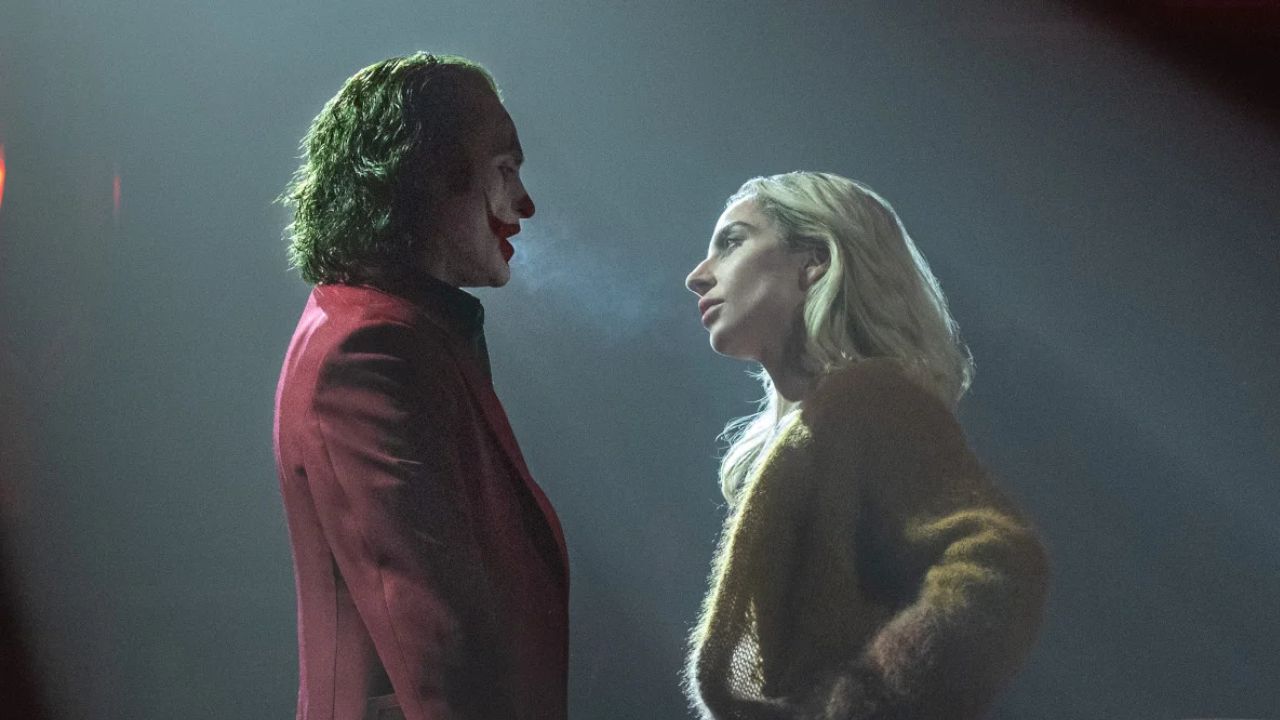
What's Inside?
- Warner Bros. executives say Joker: Folie à Deux failed not due to execution, but because its bold reinvention challenged mainstream expectations.
- The musical courtroom drama took creative risks rarely seen in comic-book sequels, refusing to repeat the success formula of Joker.
- Despite box office collapse and zero Oscar traction, studio leaders maintain faith in Todd Phillips’ vision and artistic intent.
Some films fail quietly. Others fail loudly while daring viewers to keep up. Joker: Folie à Deux belongs to the second group. Released in 2024 as a sequel to the cultural juggernaut Joker from 2019, the film arrived with bold intent and even bolder choices. It followed a critically adored, Oscar-winning character study that felt complete in every sense. Expectations were sky-high. The reaction was brutal. Audiences stayed away, critics recoiled, and the box office numbers told a painful story. Yet inside Warner Bros., the tone is not regretful. It is reflective. In a new interview, studio chiefs Pamela Abdy and Michael De Luca revisited the film’s failure and offered a calm defense of a project that refused to play safe.
Joker: Folie à Deux and the Cost of Creative Risk
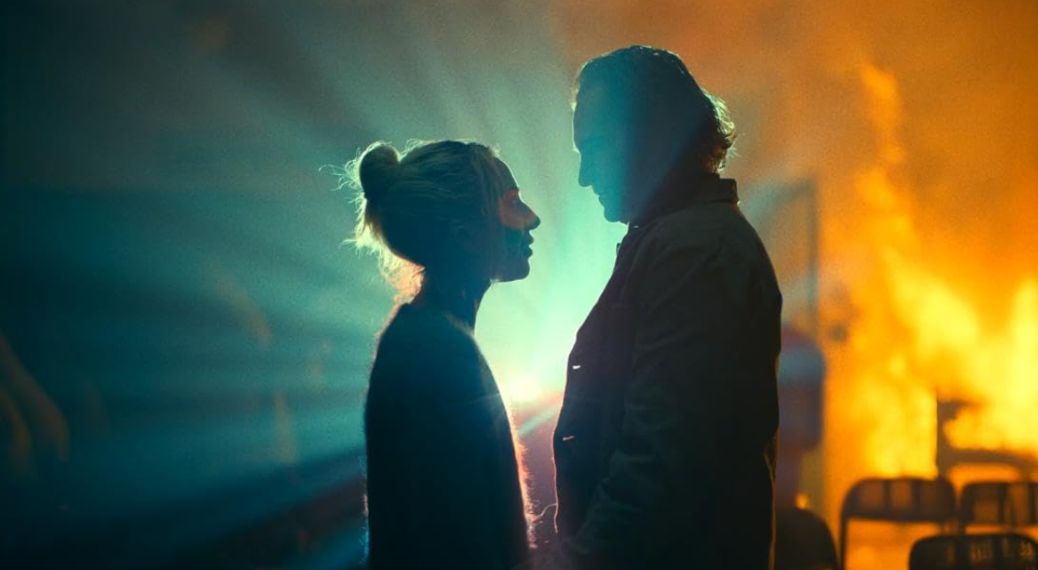
From the day it was announced, Joker: Folie à Deux faced skepticism. The first film worked because it felt singular and closed. Todd Phillips crafted a grounded, unsettling portrait of Arthur Fleck that did not beg for continuation. Still, the sequel moved forward with a reported $200 million budget, nearly triple the cost of the original. That alone raised eyebrows.
What audiences eventually saw was a film that resisted familiarity. The sequel blended courtroom drama with musical fantasy, placing Joaquin Phoenix opposite Lady Gaga in a structure that challenged comic-book norms. For many viewers, the shift felt jarring. For the studio, it was intentional. Abdy made her stance clear, saying, “I really liked the movie. I still do.”
That confidence speaks to belief in authorship. Phillips did not recreate lightning in a bottle. He tried to bend it. The result earned just $207 million worldwide, an 80 percent drop from Joker, which once crossed the $1 billion mark and reshaped expectations for R-rated comic films. Unlike its predecessor, the sequel received no Oscar recognition. The contrast was stark, but the studio leadership did not see failure in the craft itself.
Why Joker: Folie à Deux Failed to Connect with Audiences
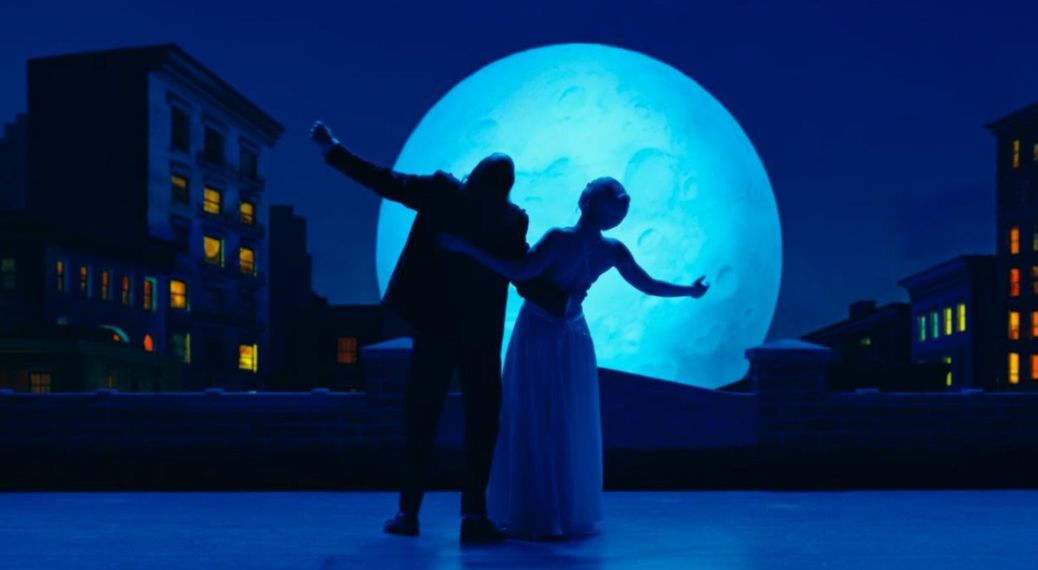
For Michael De Luca, the issue was not quality but reach. He suggested the film asked too much from a global audience accustomed to repetition and spectacle. As he explained, “It may be that it was too revisionist for a global mainstream audience. They did the thing that most people making sequels don’t do, which is they decided not to repeat themselves. I do give them immense props for not repeating themselves, but it just turned out to not connect with the audience.”
There is a thin line between challenging viewers and pushing them away. Joker shocked audiences while still offering emotional clarity. The sequel fractured that clarity by design. The gamble did not pay off, but De Luca views that as part of the business. He added, “You get a veteran’s thick skin. Everyone had flops, but not everyone had hits. You just try not to torture the ones that don’t work.”
The timing also worked against the film. Warner Bros. was already facing turbulence across its DC slate. Aside from The Batman and modest returns from Aquaman and the Lost Kingdom, titles like The Flash, Blue Beetle, and Shazam: Fury of the Gods struggled. Against that backdrop, Joker: Folie à Deux became a symbol of excess and misalignment.


Yet its failure may serve a purpose. As DC resets its cinematic future and continues Matt Reeves’ grounded vision, the lesson is clear. Bold ideas demand careful balance. Risk fuels progress, but connection sustains it.