What's Inside?
- Tom Hiddleston credits Jack Nicholson’s Joker for inspiring Loki’s charisma, freedom, and playful villainy across the Marvel Cinematic Universe.
- Loki’s depth grew through creative experimentation, with Hiddleston and Kenneth Branagh using varied acting styles to shape Marvel’s most complex anti-hero.
- As 'Avengers: Doomsday' nears, Hiddleston’s reflections reveal why Loki remains central to closing the Multiverse Saga.
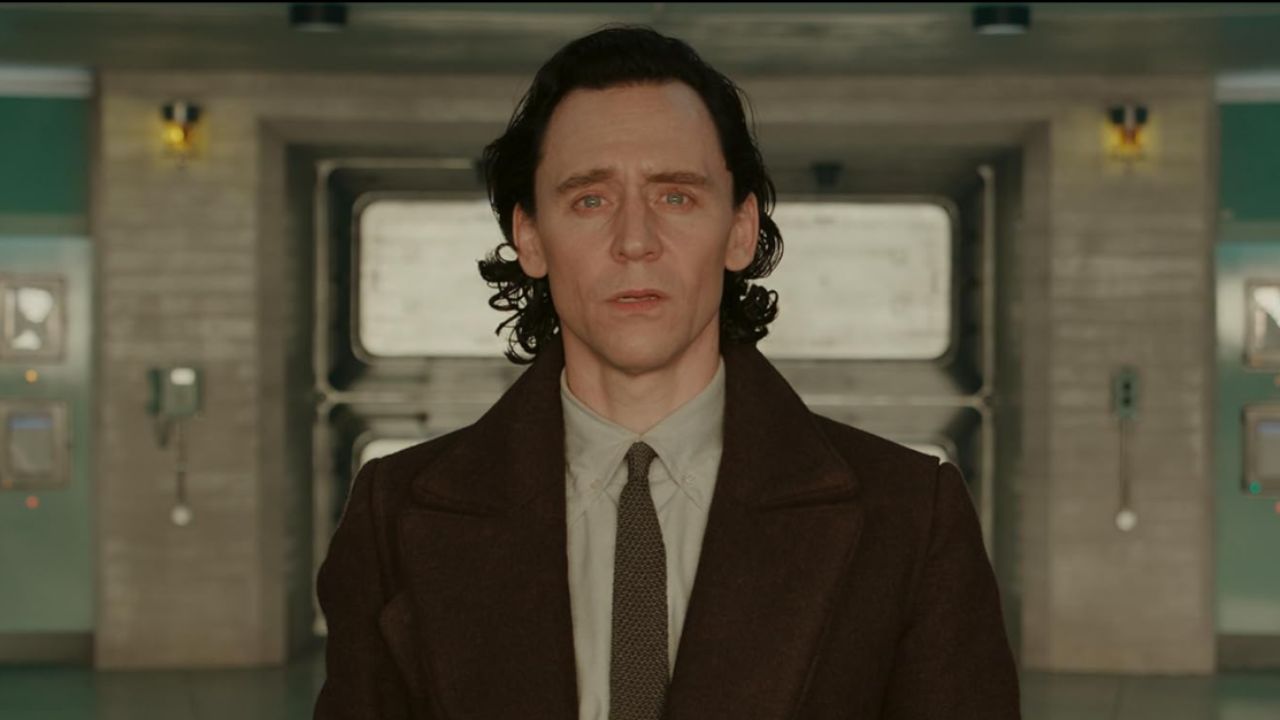
Tom Hiddleston has always treated Loki as more than a comic book trickster. Over more than a decade in the Marvel Cinematic Universe, he shaped the character into a layered figure filled with humor, pain, and ambition. With Avengers: Doomsday set to bring the Multiverse Saga toward its end, his return as the God of Stories feels essential rather than surprising. What is more revealing is not Loki’s future, but where Hiddleston first found the spark that defined his performance. In a recent conversation, the actor traced Loki’s DNA back to a classic film that changed how he viewed villains forever.
Tom Hiddleston Reveals the Movie that Shaped Loki
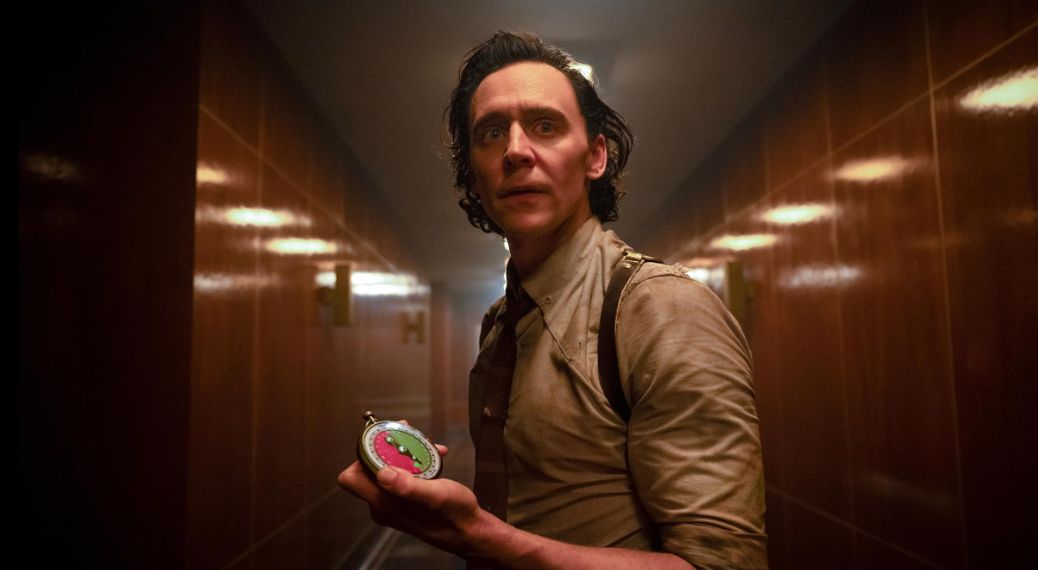
While appearing on Josh Horowitz’s Happy Sad Confused podcast, Tom Hiddleston reflected on the comic book films that left a mark on him long before Marvel entered his life. After removing his own projects from the discussion, he pointed to Tim Burton’s Batman as the gold standard. More specifically, he credited Jack Nicholson’s Joker for shaping how he approached Loki.
“I truthfully don’t believe I would have played Loki without that film. The way Jack Nicholson played the Joker, at the time of my life when I saw it, it made such an impact on my imagination. I understood he was the villain, but he was having such a good time and that could describe somebody else I know.
He was so charismatic, so inventive, and so free, but I also loved Michael Keaton as Bruce Wayne and Batman and I loved their dynamic. I think when I came to play Loki for the first time, I consciously carried Jack Nicholson in mind.”
That influence explains why Loki never felt like a standard Marvel villain. He smiles through chaos. He enjoys the game. Even at his darkest moments, there is a sense of performance. Hiddleston learned early that a villain who enjoys himself can be just as magnetic as a hero, sometimes more.
Tom Hiddleston and the Layered Craft behind Loki
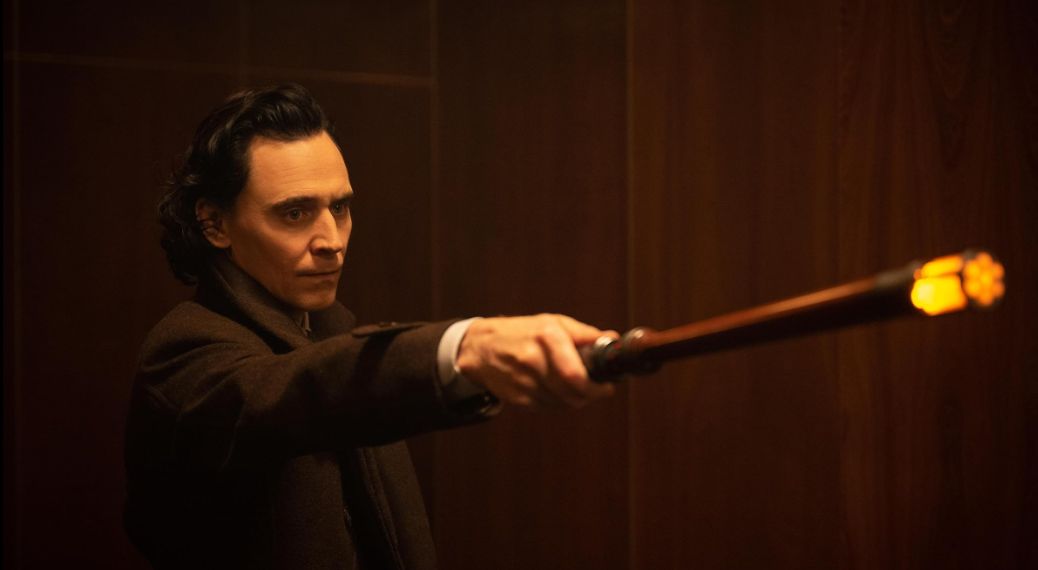
The depth of Loki did not come from inspiration alone. It was refined on set, particularly during Thor, where Hiddleston worked closely with director Kenneth Branagh. Their shared background in classical storytelling gave them a creative shortcut that allowed for experimentation.


“Because Loki was so complex and full of contradictions, charisma and charm, and also vulnerability, we would do different takes in tribute to different actors. So we did a Peter O’Toole take, which was a tribute to his sophistication and vulnerability in The Lion in Winter. Then we would do a Jack Nicholson take, where I was having the most fun in the room. And then a Clint Eastwood take, where whatever I was feeling would be hidden deep within me and you wouldn’t be able to see it, to give him different flavors in the edit.”
That approach turned Loki into one of Marvel’s richest characters. He could be playful in one scene and devastatingly quiet in the next. Each choice added texture, allowing audiences to sense the conflict beneath the crown.
As Avengers: Doomsday approaches, Loki’s journey feels earned rather than forced. Hiddleston’s careful study of character, combined with his respect for cinematic history, gave Marvel a figure who grew with its audience. When the timelines finally converge on December 18, 2026, viewers will not just be watching a superhero conclusion. They will be witnessing the final chapter of a performance shaped by decades of film, craft, and imagination.